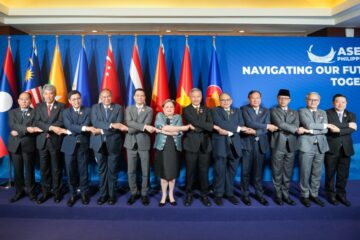
ASEAN has successfully concluded negotiations to upgrade two pivotal trade agreements, marking a significant step toward deeper economic integration and enhanced regional competitiveness. The upgraded ASEAN-China Free Trade Area (ACFTA) 3.0 and the ASEAN Trade in Goods Agreement (ATIGA) are set to be signed at the 47th ASEAN Summit in October, reinforcing ASEAN’s commitment to fostering a resilient and dynamic economic landscape.
Speaking after chairing the 25th ASEAN Economic Community Council (AECC) meeting, Malaysia’s Investment, Trade, and Industry Minister, Tengku Datuk Seri Zafrul Abdul Aziz, emphasized the transformative impact of these agreements. “These milestones will serve as pivotal enablers for ASEAN’s sustained growth and competitiveness,” he stated, highlighting the agreements’ role in boosting regional trade, strengthening supply chain resilience, and promoting deeper economic integration.
Key Enhancements in the Agreements
- ACFTA 3.0 introduces forward-looking provisions aimed at streamlining trade processes, enhancing digital economy cooperation, and reinforcing supply chain connectivity between ASEAN and China.
- ATIGA, regarded as the cornerstone of ASEAN’s economic integration, will feature commercially meaningful updates designed to facilitate smoother intra-ASEAN trade and bolster economic resilience.
Energy and Investment Initiatives
In addition to trade agreements, ASEAN has also finalized negotiations on an enhanced memorandum of agreement for the ASEAN Power Grid (APG) initiative, scheduled for signing at the 43rd ASEAN Ministers on Energy meeting in October. This initiative will expand cross-border energy investments and funding opportunities, further solidifying ASEAN’s commitment to sustainable economic development.
Looking Ahead: ASEAN Economic Community Blueprint 2026-2030
With an impressive 97% implementation rate of the current ASEAN Economic Community (AEC) Blueprint 2025, ASEAN is now preparing to launch its AEC Strategic Plan 2026-2030, which will outline new priorities for regional economic growth and cooperation.
Conclusion
The successful conclusion of these negotiations underscores ASEAN’s proactive approach to navigating global economic uncertainties while reinforcing its position as a leading trade bloc. As ASEAN moves forward with these upgraded agreements, businesses and investors can anticipate greater trade facilitation, improved market access, and strengthened economic partnerships across the region.