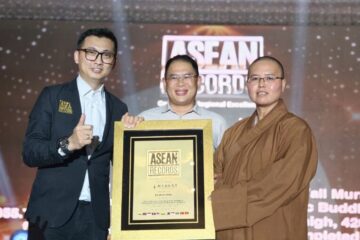
In a landmark initiative to strengthen human capital across Southeast Asia, Malaysia has announced the launch of 65,000 free skills development courses, benefiting an estimated five million ASEAN citizens. This effort, valued at nearly RM2.5 billion, aligns with the 2025 ASEAN Year of Skills, reinforcing the region’s commitment to workforce transformation and future-ready talent.
Bridging Talent Gaps Through High-Quality Training
Speaking at the ASEAN Human Capital Development Investment Symposium at the Malaysia International Trade and Exhibition Centre, Human Resources Minister Steven Sim Chee Keong emphasized Malaysia’s dedication to fostering a skilled, agile, and competitive workforce across ASEAN.
The initiative covers artificial intelligence, digitalization, green technology, and leadership, ensuring ASEAN citizens gain expertise in emerging industries. The courses will be offered during National Training Week from June 14 to 21, with participation from global training leaders such as Microsoft, Udemy, AwanTech, Alibaba Cloud, and Malaysia’s own training providers.
Expanding Training Beyond Borders
“For the first time, we are extending these high-quality training opportunities beyond Malaysia to our friends across ASEAN,” Sim stated. “We aim to train at least five million people throughout this dedicated week, providing exposure to critical skills that will shape the future of our workforce.”
Strengthening ASEAN’s Position as a Global Skills Hub
Malaysia’s initiative is part of a broader effort to position ASEAN as one of the most skilled regions in the world. By bridging talent gaps and fostering regional collaboration, ASEAN aims to create a future-ready workforce capable of driving economic growth and innovation.
Upcoming ASEAN Skills Development Events
To further support this vision, Malaysia will host several key regional events:
- ASEAN Training Market Conference (July)
- ASEAN TVET Conference (August)
- ASEAN Labour Ministerial Meeting Forum (October)
These events will serve as platforms for knowledge exchange, policy discussions, and strategic partnerships, ensuring ASEAN’s workforce remains adaptable and competitive in a rapidly evolving global landscape.
As ASEAN continues to invest in human capital development, this initiative marks a significant step toward inclusive growth, talent mobility, and shared prosperity across the region.