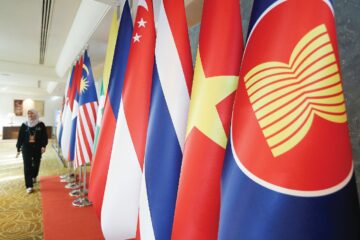
Recent economic analysis has highlighted that Thailand’s economy is under pressure relative to its ASEAN peers, underscoring the need for accelerated structural reforms, innovation and productivity improvements to sustain competitive growth within Southeast Asia. (nationthailand)
Key Insights: Structural Headwinds in Thailand’s Economy
- The Federation of Thai Industries (FTI) has warned that Thailand may fall from being the second-largest economy in ASEAN to the fifth over the next five years if it fails to address persistent structural weaknesses such as stagnant industrial output, low productivity and an overreliance on traditional sectors.
- Thai business innovation and research and development (R&D) performance remains significantly below ASEAN averages, presenting challenges for SME competitiveness and long-term growth.
- Experts have called for a shift toward next-generation industries, including digital transformation, advanced manufacturing, green technologies and higher value-added services, to revitalise Thailand’s economy and leverage regional and global market opportunities.
Implications for ASEAN Competitiveness
- Regional Positioning: Thailand’s relative economic slowdown contrasts with stronger growth in economies such as Vietnam, the Philippines and Indonesia, underscoring the urgency of economic transformation to maintain ASEAN competitiveness.
- Innovation Gap: World Bank data show Thai firms lag peers in innovation activities and R&D investment, limiting productivity gains essential for sustainable economic expansion.
- Labor Market & SMEs: With SMEs employing a large share of Thailand’s workforce, enhancing digital skills, tech adoption, and access to finance is critical to bolster economic dynamism.
Recommended Strategic Actions
To address these structural challenges and support robust, inclusive growth, economic analysts recommend that Thai policymakers and stakeholders pursue:
- National Innovation and R&D Strategy — Facilitate business adoption of advanced technologies, strengthen incentives for R&D, and align education outcomes with industry needs.
- Next-Generation Industries Development — Promote digital economy sectors, AI adoption, ICT infrastructure, and green manufacturing to diversify industrial strengths.
- SME Competitiveness Programme — Expand support mechanisms such as digitalisation grants, export facilitation, and access to capital for small and medium-sized enterprises.
- ASEAN Economic Integration — Accelerate engagement in ASEAN trade frameworks, harmonised standards and supply-chain integration to boost regional value-chain participation.
Quote
“Thailand stands at a crossroads. Without decisive structural reform, innovation acceleration and inclusive productivity policies, it risks trailing its ASEAN neighbours in the next decade of regional economic growth.”
Notes to Editors
- Recent reports by Thailand’s industry and economic think tanks highlight stagnating growth, structural bottlenecks and calls for industrial modernisation.
- World Bank assessments show Thailand’s rate of business innovation trails peers in ASEAN, underscoring competitiveness challenges.
- ASEAN’s regional economic integration agenda emphasises digital economy, green economy and robust value chains as core pillars for future growth.