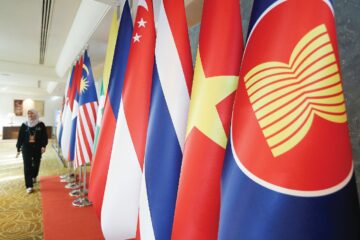
ASEAN+3 economies are reinforcing fiscal management frameworks as they confront a new wave of global and structural headwinds, according to the latest ASEAN+3 Fiscal Policy Report 2026 released by the ASEAN+3 Macroeconomic Research Office (AMRO). (AMRO)
The report highlights growing pressure on public finances across the region, driven by weakened fiscal positions, narrowing policy space and rising economic uncertainties, prompting policymakers to prioritise long-term sustainability while maintaining flexibility to respond to shocks. (AMRO)
Balancing Immediate Pressures with Long-Term Fiscal Sustainability
ASEAN+3 governments are facing a complex policy environment where fiscal policy must serve multiple roles simultaneously — from supporting economic recovery to addressing structural challenges such as inequality and climate risks.
However, AMRO notes that:
- Fiscal buffers have been significantly reduced following years of crisis support
- Revenue growth remains sluggish, while expenditure demands stay elevated
- Budget structures are often rigid, limiting policy flexibility (AMRO)
As a result, governments must strike a careful balance between short-term economic support and long-term fiscal consolidation.
Strengthening Fiscal Frameworks and Institutions
To address these challenges, ASEAN+3 economies are being encouraged to enhance fiscal governance through:
- Medium-term fiscal frameworks to guide sustainable budgeting
- Adoption of performance-based budgeting systems
- Improved public investment management for efficiency and impact
- Stronger institutional foundations to ensure effective budget execution (AMRO)
These reforms aim to improve fiscal discipline while ensuring that government spending delivers measurable outcomes.
Enhancing Revenue Systems Through Reform and Digitalisation
A key priority identified in the report is strengthening revenue generation to rebuild fiscal space.
Recommended measures include:
- Modernising tax administration, particularly through digital technologies
- Rationalising tax incentives and expenditures
- Advancing structural tax reforms to improve efficiency and equity (AMRO)
Such reforms are critical to ensuring governments can sustainably finance development priorities without excessive debt accumulation.
Responding to a Changing Global Economic Landscape
The need for stronger fiscal management comes amid intensifying external risks, including:
- Geopolitical tensions and trade fragmentation
- Volatility in commodity and energy prices
- Tighter global financial conditions and slowing growth in major economies (ASEAN)
These factors are placing additional strain on fiscal systems and reinforcing the importance of policy coordination and resilience across ASEAN+3 economies.
Regional Cooperation as a Key Enabler
ASEAN+3 continues to play a vital role in strengthening regional resilience through coordinated fiscal and financial policies.
Ongoing efforts include:
- Enhancing macroeconomic policy dialogue
- Strengthening regional financial safety nets such as the Chiang Mai Initiative Multilateralisation (CMIM)
- Expanding collaboration on disaster risk financing and economic surveillance (ASEAN)
This collective approach ensures that member economies are better equipped to navigate shared challenges.
Quote
“Policymakers must reinforce fiscal management as they confront a new wave of shocks… while rebuilding buffers and safeguarding fiscal sustainability.” (AMRO)
A Critical Turning Point for Fiscal Policy
The report underscores that ASEAN+3 economies are at a critical juncture, where decisions made today will shape long-term resilience and growth.
With competing demands on public finances, governments must:
- Maintain policy flexibility to respond to shocks
- Implement structural reforms to support growth
- Ensure inclusive and sustainable development outcomes
Looking Ahead
As global uncertainties persist, ASEAN+3’s focus on strengthening fiscal management reflects a broader commitment to economic stability, resilience and sustainable growth.
By rebuilding fiscal buffers, modernising revenue systems and enhancing institutional capacity, the region is positioning itself to navigate future shocks while sustaining its role as a key driver of global economic growth.