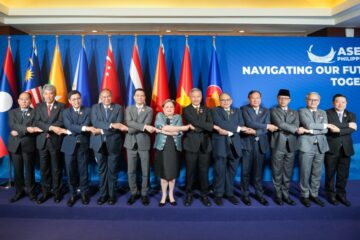
Sarawak is intensifying its ambition to become ASEAN’s leading energy and water hub, leveraging its abundant renewable resources, strategic infrastructure and long-term sustainability agenda to support regional economic growth, energy security and industrial development.
Speaking on the state’s long-term development strategy, Sarawak Premier Tan Sri Abang Johari Tun Openg emphasised that the state’s abundant hydropower, water resources and green energy initiatives position Sarawak to play a pivotal role in powering ASEAN’s future while supporting cross-border economic integration.
Powering ASEAN’s Green Growth
Sarawak has steadily expanded its renewable energy capacity through major hydropower developments and investments in emerging clean energy technologies, positioning itself as a critical contributor to the ASEAN Power Grid (APG) initiative.
The state’s long-term strategy includes increasing electricity generation capacity while expanding regional power exports, strengthening energy connectivity and supporting ASEAN’s transition towards a lower-carbon economy.
Beyond electricity, Sarawak is also investing in hydrogen, carbon capture technologies and other green industries to diversify its clean energy ecosystem and create new economic opportunities.
Leveraging Water as a Strategic Resource
Alongside renewable energy, Sarawak is placing greater emphasis on its extensive freshwater resources as a long-term economic advantage.
Reliable access to water is becoming increasingly important for industries such as:
- Semiconductor manufacturing
- Data centres
- Advanced manufacturing
- Green hydrogen production
- Food processing
- Sustainable agriculture
By integrating energy and water planning, Sarawak aims to provide investors with the critical infrastructure needed to support high-value industries while ensuring long-term environmental sustainability.
Attracting Future-Oriented Investments
Sarawak’s strategy aligns with the growing global demand for locations that offer stable supplies of clean energy, water security and sustainable industrial infrastructure.
The state is actively positioning itself to attract investments in sectors including:
- Renewable energy
- Green manufacturing
- Artificial intelligence and digital infrastructure
- Semiconductor production
- Hydrogen economy
- Sustainable industrial parks
These investments are expected to create higher-value employment, strengthen industrial competitiveness and accelerate Sarawak’s transition towards a knowledge- and innovation-driven economy.
Supporting Regional Energy Security
As electricity demand continues to rise across Southeast Asia, regional energy cooperation has become increasingly important.
Sarawak’s expanding renewable energy capacity and cross-border transmission initiatives complement the objectives of the ASEAN Power Grid, which seeks to enhance electricity connectivity, improve energy resilience and facilitate greater use of renewable energy throughout the region.
By exporting clean electricity and supporting regional infrastructure development, Sarawak has the potential to become an important contributor to ASEAN’s long-term energy security.
Building a Sustainable Economic Future
Sarawak’s integrated approach reflects a broader vision of balancing economic development with environmental stewardship.
Investments in renewable energy, water infrastructure and green industries are expected to:
- Reduce carbon emissions
- Enhance industrial productivity
- Strengthen regional competitiveness
- Improve resource resilience
- Support sustainable economic growth
This strategy positions the state not only as an energy producer but also as a key enabler of ASEAN’s green industrial transformation.
Looking Ahead
As Southeast Asia accelerates its transition towards a more sustainable and interconnected economy, Sarawak is well positioned to become one of the region’s most important centres for renewable energy, water security and green industrial development.
By harnessing its natural resources through responsible planning and regional collaboration, the state aims to strengthen ASEAN’s energy resilience, attract high-value investments and contribute meaningfully to long-term economic prosperity across the region.