
ASEAN member states and China have reaffirmed their commitment to strengthening regional cooperation in sustainable urban development, quality housing and inclusive communities through the ASEAN-China Ministerial Roundtable on Construction and Housing (ACMROCH) 2026. The three-day meeting, hosted by Malaysia in Ipoh, brings together ministers, senior government officials and policymakers to exchange best practices and explore collaborative solutions for the region’s rapidly evolving urban landscape.
Held under the theme of sustainable cities, quality housing and cohesive communities, ACMROCH 2026 reflects the growing importance of ASEAN–China cooperation in addressing common urban challenges, including affordable housing, resilient infrastructure, environmental sustainability and smart city development. Approximately 300 delegates from ASEAN member states and China are participating in the conference.
Strengthening Regional Partnerships Beyond Formal Discussions
A highlight of the programme was the official gala dinner hosted by Malaysia’s Minister of Housing and Local Government, Nga Kor Ming, which provided delegates with an opportunity to strengthen professional relationships and foster greater mutual understanding outside the formal conference setting.
The gathering underscored that regional cooperation extends beyond policy dialogue. Informal engagement among ministers and senior officials helps build trust, encourage knowledge sharing and lay the foundation for stronger long-term partnerships that support practical collaboration in housing and urban development.
Advancing Sustainable Urban Development
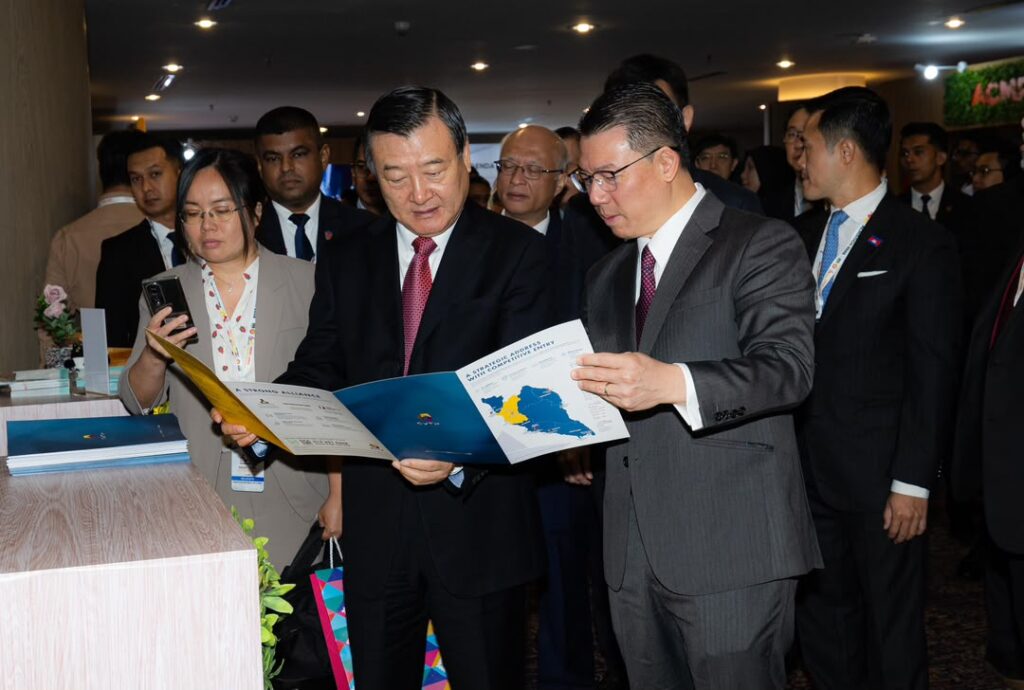
Rapid urbanisation continues to reshape Southeast Asia, increasing demand for quality housing, efficient infrastructure and sustainable city planning.
ACMROCH serves as an important platform for ASEAN and China to exchange experiences on urban governance, affordable housing policies, green construction and resilient communities. As cities continue to expand, closer cooperation can help governments develop innovative solutions that improve quality of life while supporting economic growth and environmental sustainability.
The discussions also reflect a shared commitment to creating cities that are not only economically competitive but also inclusive, liveable and resilient to future challenges.
Malaysia Showcases Leadership in Regional Cooperation
Hosting ACMROCH 2026 reinforces Malaysia’s role as an active contributor to regional dialogue on housing and urban development.
By bringing together policymakers and industry stakeholders from across ASEAN and China, Malaysia provides a platform for meaningful discussions on common priorities while demonstrating its capability to host high-level international engagements.
The conference also supports Malaysia’s broader efforts to strengthen regional partnerships in sustainable development and aligns with national aspirations to promote smarter, greener and more people-centred urban planning.
Strengthening People-to-People Connections
Beyond policy discussions, delegates were introduced to Malaysia’s cultural heritage through local cuisine, traditional performances and hospitality.
These exchanges help reinforce the people-to-people dimension of ASEAN–China relations, recognising that stronger diplomatic and economic partnerships are also built on mutual respect, cultural appreciation and lasting personal connections.
Such interactions contribute to a more collaborative regional environment where governments can work together more effectively on shared development priorities.
Looking Ahead
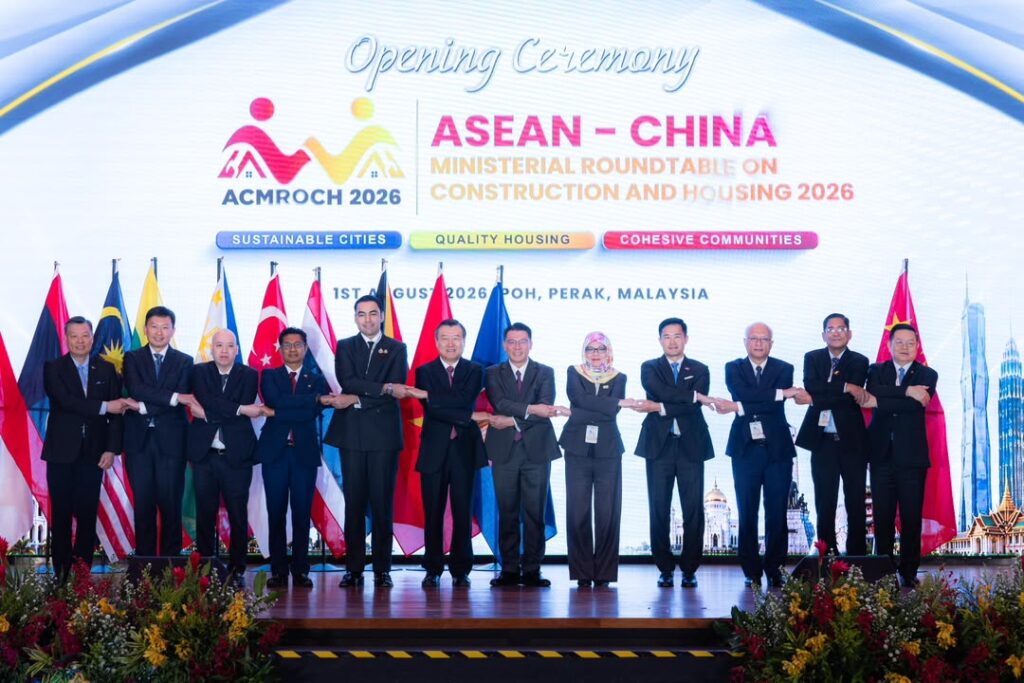
As ASEAN continues to urbanise and cities face increasingly complex challenges, regional cooperation will play an essential role in shaping sustainable and inclusive communities.
ACMROCH 2026 demonstrates the shared commitment of ASEAN and China to strengthen collaboration in construction, housing and urban development through dialogue, knowledge exchange and practical partnerships. By working together, both sides can support more resilient cities, improve housing accessibility and contribute to a higher quality of life for communities across the region.