
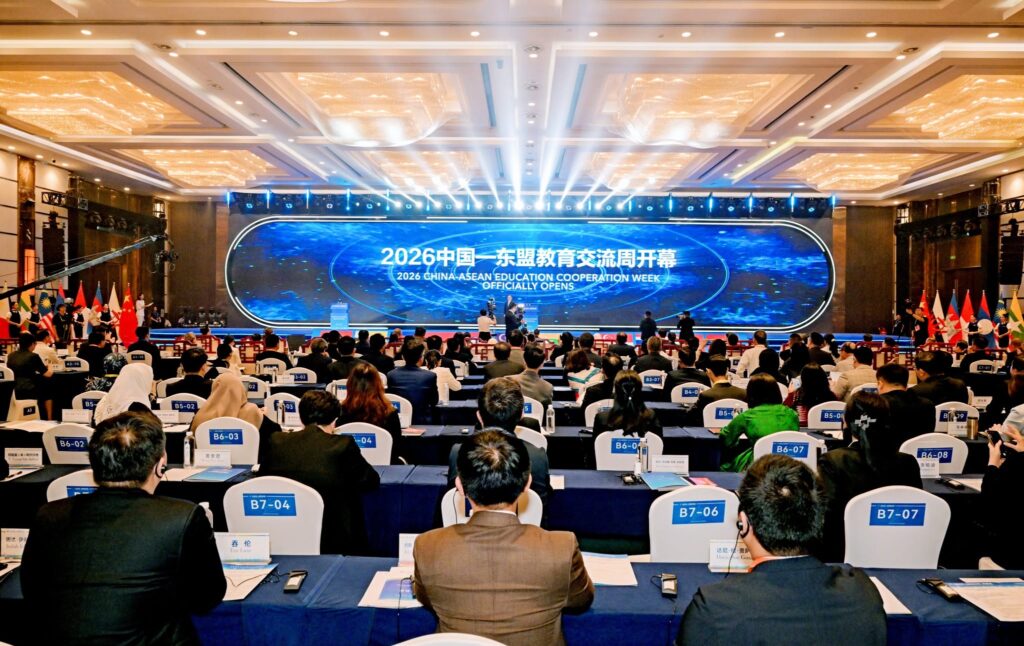
Artificial intelligence (AI) is emerging as a transformative force in China–ASEAN education cooperation, opening new opportunities for talent development, academic collaboration and digital innovation across the region. During the 2026 China–ASEAN Education Cooperation Week held in Guizhou Province from 28 July to 2 August, education leaders, university presidents and industry experts agreed that AI is reshaping the future of education and creating a stronger foundation for regional cooperation.
Held under the theme “Smart Education for a Closer and More Connected Community,” the annual event showcased how emerging technologies are strengthening partnerships between higher education institutions, research organisations and industries across ASEAN and China. Discussions focused on leveraging AI to improve teaching, research, vocational training and cross-border knowledge exchange while preparing students for the demands of an increasingly digital economy.
AI Driving a New Era of Educational Collaboration
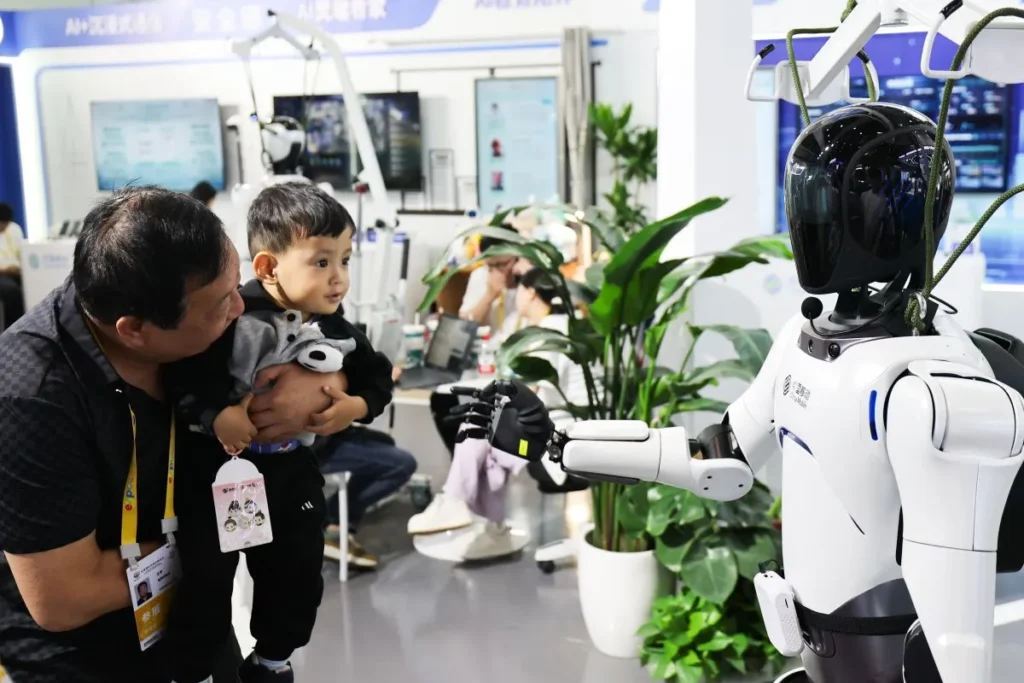
Artificial intelligence is rapidly transforming education by enabling personalised learning, intelligent tutoring systems, digital classrooms and AI-assisted research. As these technologies become more widely adopted, both China and ASEAN are exploring ways to integrate AI into education systems while ensuring students develop the digital skills needed for future careers.
Participants at the cooperation week highlighted that AI is no longer simply a technological tool but an important catalyst for deeper academic collaboration. Universities across the region are expanding joint research, faculty exchanges and innovation partnerships centred on AI, digital education and emerging technologies.
Building Future-Ready Talent
One of the conference’s key priorities was preparing a workforce capable of supporting the region’s rapidly evolving digital economy.
As ASEAN accelerates investment in artificial intelligence, semiconductors, advanced manufacturing and digital services, demand for highly skilled professionals continues to grow. Stronger educational cooperation with China provides opportunities for students, researchers and educators to gain exposure to advanced laboratories, collaborative research projects and cutting-edge technological developments.
By strengthening academic partnerships, both sides aim to cultivate talent equipped with the technical expertise and innovation mindset needed to support long-term economic growth.
Expanding University and Industry Collaboration
Beyond traditional academic exchanges, China–ASEAN education cooperation is increasingly integrating universities with industry.
The 2026 programme featured initiatives involving higher education institutions, research organisations and businesses, encouraging closer collaboration in areas such as AI, vocational education, digital transformation and scientific research. This industry-academia approach helps ensure educational programmes remain aligned with evolving workforce demands while accelerating the commercialisation of research and innovation.
Several new cooperation initiatives were also introduced to strengthen smart education, research collaboration and capacity building between China and ASEAN institutions, further expanding opportunities for long-term partnership.
Supporting ASEAN’s Digital Transformation
Education has become an increasingly important pillar of China–ASEAN cooperation alongside trade, investment and infrastructure development.
As Southeast Asia continues its digital transformation, strengthening educational collaboration will help build the human capital necessary to support innovation-led industries. AI-enabled learning, digital literacy and research partnerships are expected to play a critical role in preparing future generations to contribute to the region’s expanding technology ecosystem.
These efforts also complement ASEAN’s broader objectives of narrowing digital capability gaps, promoting inclusive education and enhancing regional competitiveness in the global knowledge economy.
Looking Ahead

The growing integration of artificial intelligence into China–ASEAN education cooperation marks a significant step towards building a more connected, innovative and future-ready region.
By combining technological expertise, academic collaboration and talent development, both China and ASEAN are laying the foundation for stronger educational ecosystems that support economic growth, digital transformation and regional integration. As AI continues reshaping industries and societies, closer cooperation in education will remain essential in preparing the next generation of leaders, researchers and innovators for the opportunities of the digital age.