
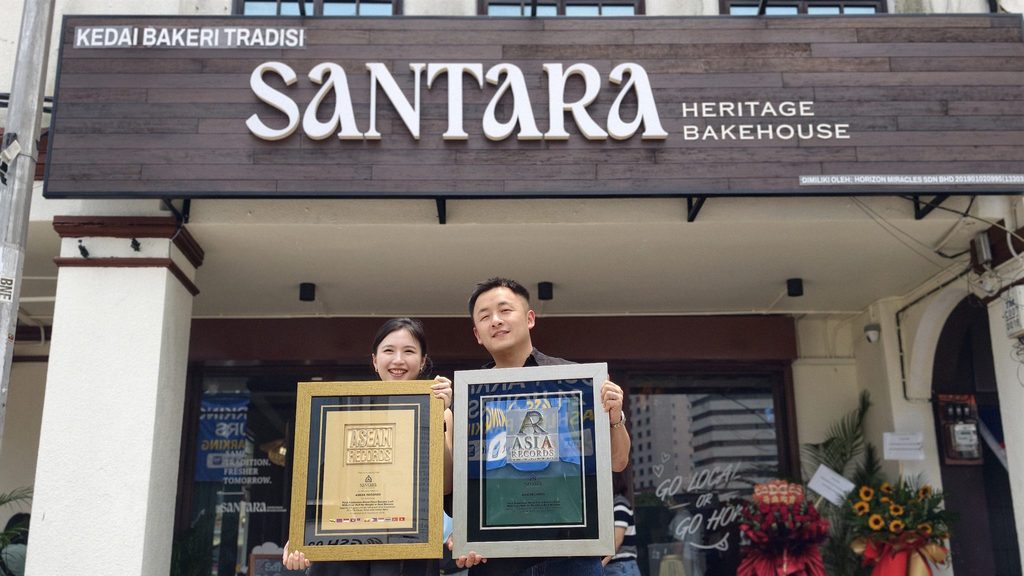
Santara Heritage Bakehouse has been officially recognised by ASEAN Records for a distinctive interpretation of a familiar Malaysian favourite, combining a high proportion of real banana with traditional rambutan-wood-fired baking.
The bakehouse achieved the official record title:
First Rambutan-Wood-Fired Banana Loaf With Over Half Its Weight in Real Banana
(approx. 275 g banana per 520 g loaf, from 5 bananas; 21 × 7.5 × 6 cm; brick-oven baked daily). (ASEAN Records)
The recognition highlights Santara’s approach to preserving traditional baking craftsmanship while presenting Malaysian ingredients and flavours through a contemporary bakery experience.
More Than Half the Loaf Comes From Real Banana
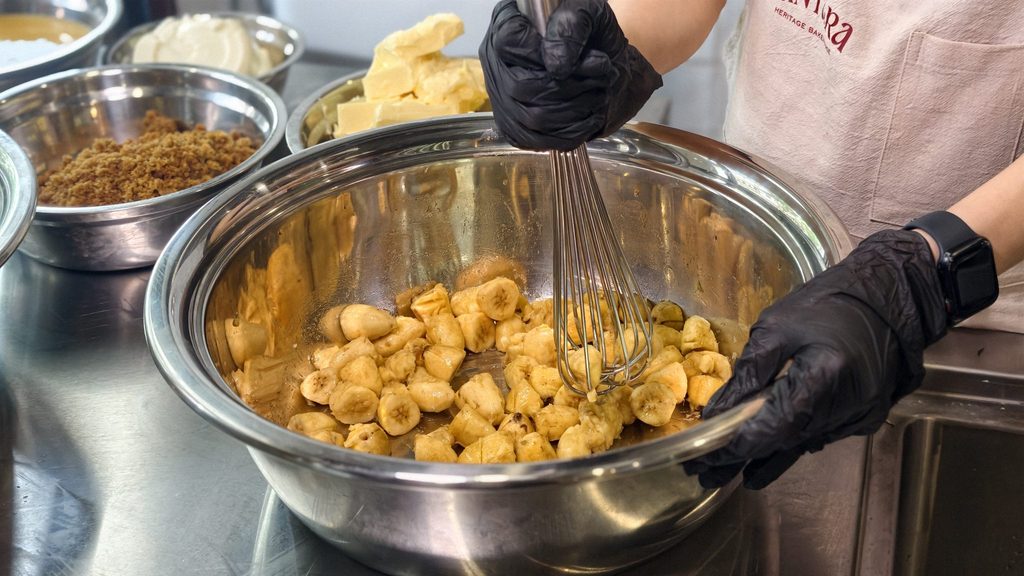
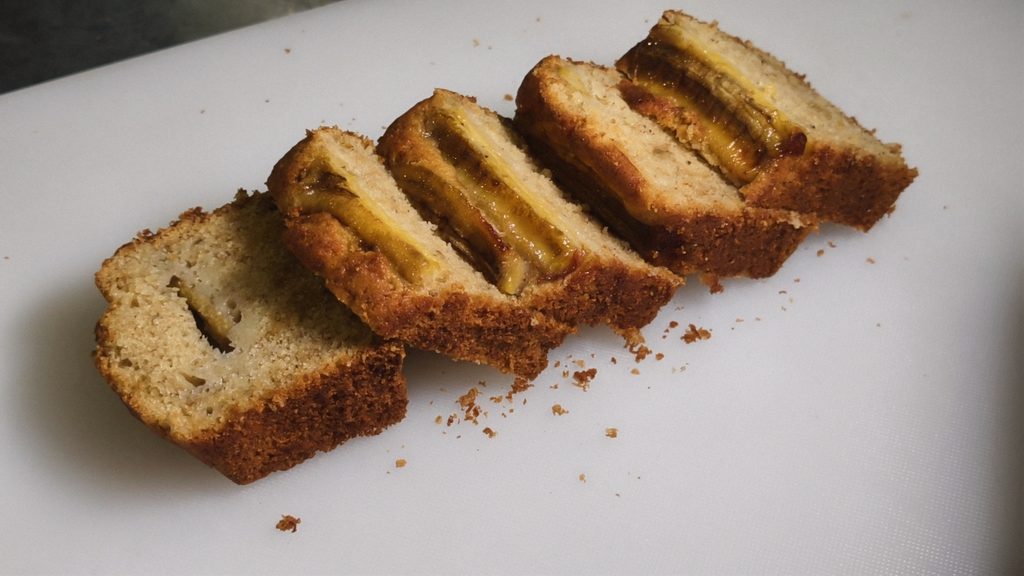
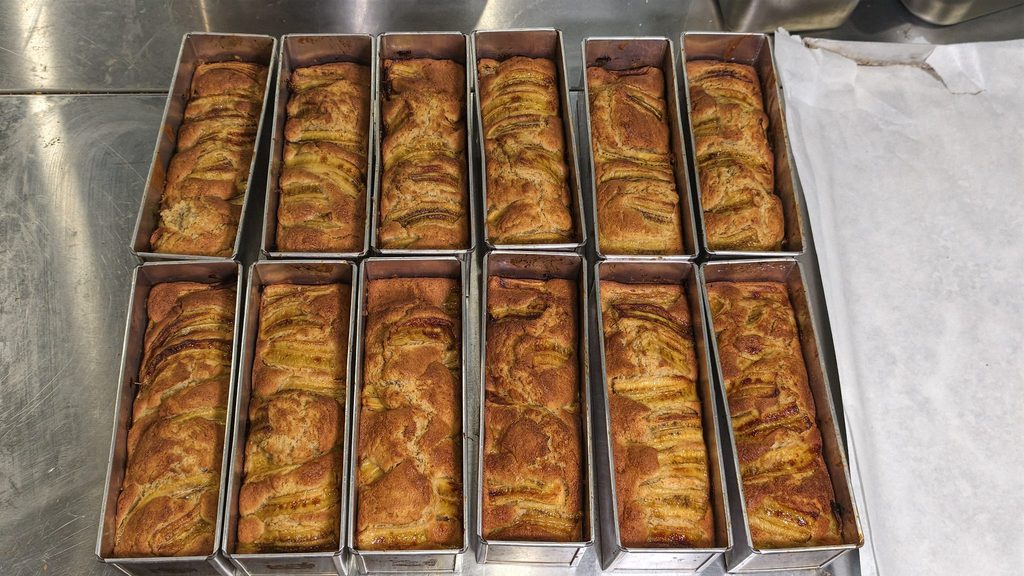
At the centre of the achievement is Santara’s signature banana loaf, weighing approximately 520 g and containing around 275 g of real banana from about five bananas. This means banana accounts for more than half of the finished loaf’s weight. (ASEAN Records)
Each loaf measures approximately 21 × 7.5 × 6 cm and is baked daily in a brick oven fired with rambutan wood. Unlike conventional electric or gas ovens designed for precise automated temperature control, wood-fired baking requires the baker to continually understand and manage the behaviour of the fire throughout the baking process. (ASEAN Records)
This combination of generous fruit content and traditional firing method gives the loaf a distinct identity rooted in ingredient quality and hands-on craftsmanship.
Reimagining a Familiar Malaysian Favourite
Santara Heritage Bakehouse draws inspiration from Nusantara and Malaysian heritage, using familiar local flavours as the foundation for a modern bakery concept. (ASEAN Records)
The development of its banana loaf began with a fundamental question: what should a truly Malaysian banana cake taste like?
Rather than concentrating solely on the recipe, the team examined the banana itself — including how variety, growing conditions, harvesting and ripening influence flavour, aroma and texture. That ingredient-focused approach became an important part of the development process. (ASEAN Records)
The result reflects a philosophy in which familiar food is not simply reproduced, but carefully reconsidered through the ingredients, methods and flavours associated with Malaysia.
Preserving the Craft of Wood-Fired Baking
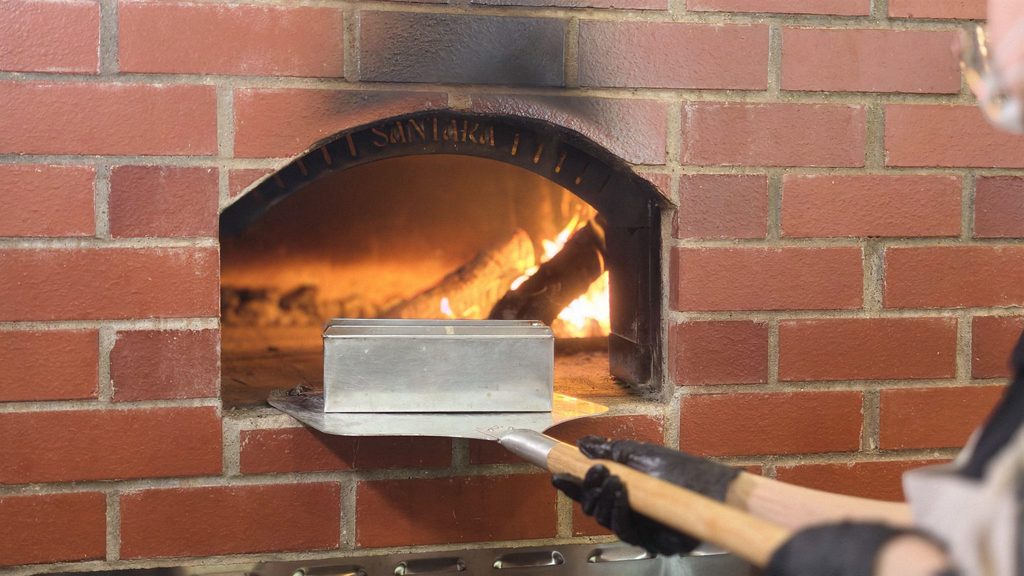
The use of rambutan wood forms an equally important part of the product’s identity.
Modern commercial ovens are designed to provide efficiency and consistency through automated controls. Santara’s brick-oven method instead places greater responsibility on the baker, whose judgement is required to manage heat and fire throughout the process. (ASEAN Records)
For Santara, continuing this method is part of a wider effort to preserve traditional craftsmanship in a contemporary setting.
The approach also demonstrates how heritage techniques can remain relevant within modern food businesses. Rather than treating traditional preparation as something confined to the past, the bakehouse incorporates it directly into a product designed for today’s consumers.
Malaysian Flavours at the Heart of the Concept
Santara’s broader menu follows the same heritage-inspired direction.
Alongside its signature banana loaf, the bakehouse incorporates flavours such as cempedak, chocolate banana and coconut, drawing from ingredients and combinations familiar to Malaysian consumers. (ASEAN Records)
This approach gives the bakery a distinctly local identity while making Malaysian flavours accessible through contemporary baked products.
As food increasingly becomes part of how destinations communicate their culture and identity, locally inspired concepts such as Santara can also contribute to how visitors experience Malaysia — not only through established traditional dishes, but through new interpretations built around familiar ingredients and techniques.
ASEAN Records Recognition Presented to Santara’s Founders
The ASEAN Records recognition was officially presented on 6 September 2026 and received by Liew Jia Pey and Tan Lek Siang, Founders of Santara Heritage Bakehouse. (ASEAN Records)
The milestone formally acknowledges the bakehouse’s rambutan-wood-fired banana loaf, combining approximately five bananas and 275 g of real fruit in each approximately 520 g loaf with daily brick-oven baking. (ASEAN Records)
Reflecting on the achievement, Liew explained that Santara’s wider purpose is to share the taste of Malaysia through flavours that can resonate with both local customers and visitors. She also emphasised the importance of preserving wood-fired baking, where the baker’s experience and ability to control the fire remain central to the process. (ASEAN Records)
The recognition, she indicated, represents not an endpoint for the bakehouse but a foundation for its continued journey in celebrating Malaysian food heritage.
Heritage Through Ingredients, Technique and Story
Santara’s achievement demonstrates how food heritage can be expressed through more than the recreation of traditional recipes.
In this case, the connection to heritage is built through several elements working together: locally familiar fruit, careful attention to ingredient characteristics, a traditional wood-fired brick oven and a bakery concept inspired by the wider Nusantara cultural landscape.
The result is a product that connects tradition with contemporary presentation while retaining a strong sense of place.
Such an approach is particularly relevant as artisan food businesses increasingly look for ways to differentiate themselves through authenticity and craftsmanship. For Santara, that distinction comes from understanding both what goes into the loaf and how it is made.
Strengthening the Visibility of Malaysian Food Heritage
The ASEAN Records recognition also brings greater attention to the potential of Malaysian ingredients and culinary traditions to inspire new food concepts.
Banana cake is already familiar to many consumers, but Santara’s interpretation demonstrates how a widely recognised product can develop a stronger local identity through ingredient selection and preparation technique.
Its wider use of cempedak, coconut and other familiar flavours follows the same principle — taking elements associated with Malaysia and presenting them through an accessible contemporary bakery format.
This balance between familiarity and reinvention can help traditional flavours remain relevant to younger consumers while also introducing them to visitors who may be experiencing Malaysian ingredients for the first time.
Looking Ahead
For Santara Heritage Bakehouse, the ASEAN Records milestone recognises more than the specifications of a single banana loaf.
It reflects an approach centred on real ingredients, traditional craftsmanship and Malaysian culinary identity, demonstrating how heritage can continue to evolve without losing the techniques and flavours that give it meaning.
With approximately 275 g of banana from five bananas in every 520 g loaf, combined with daily rambutan-wood-fired brick-oven baking, Santara has transformed a familiar bakery staple into a product closely connected to its Malaysian roots. (ASEAN Records)
As the bakehouse continues developing its heritage-inspired offering, the recognition provides a platform for sharing Malaysian flavours with a broader audience while keeping traditional wood-fired craftsmanship alive.
Ultimately, Santara’s achievement shows how even a familiar loaf can become a vehicle for a larger story — one about ingredients, craftsmanship, cultural memory and the continuing evolution of Malaysian food heritage.
Learn more about this Official ASEAN Records Recognition