The Goh Family , Goh Leong Sing, Goh Leong Chai, Goh Leong Hing and Dato’ Wira Goh Kian Chuan — has been officially recognised by ASEAN Records for organising an exceptionally large-scale Hokkien Taoist ancestral merit-making ceremony dedicated to the memory of their late grandparents.
The family achieved the official record title:
Largest Single-Family Hokkien Taoist Ancestral Merit-Making Ceremony by Scale of Paper Offerings and Number of Officiating Priests
(merit house of 48 ft × 28 ft × 15 ft with a three-key underground treasury, paper private jet of 20 ft with an 18 ft wingspan, 4 palanquins, 202 paper figures, and 21 Taoist priests with ritual musicians, 30 in total, from 18 to 21 September 2026).
Held over four days from 18 to 21 September 2026, the ceremony represented a deeply personal act of remembrance and filial gratitude while documenting the continued practice of Hokkien Taoist ancestral traditions on an exceptional family scale.
An Ancestral Tribute Created on an Exceptional Scale
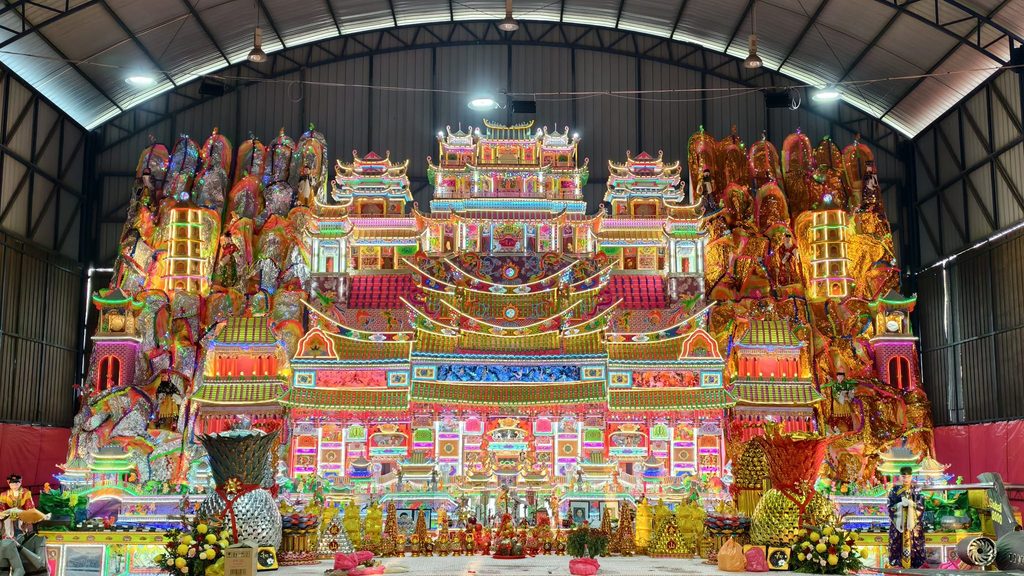
At the centre of the ceremony stood an elaborate 48 ft × 28 ft × 15 ft merit house, complete with a three-key underground treasury.
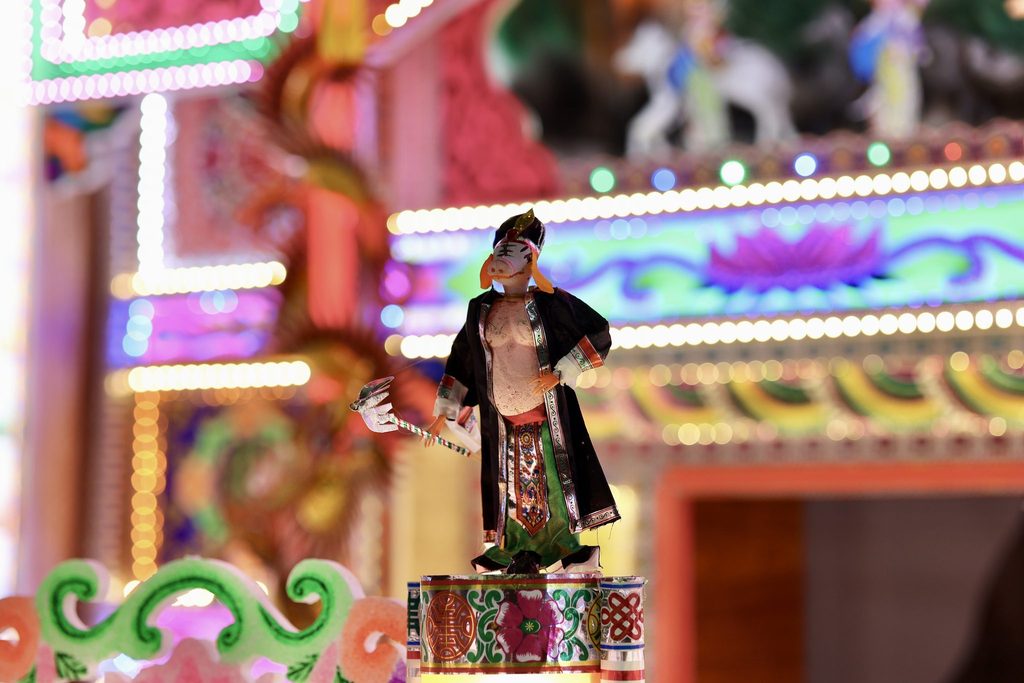
The ceremonial preparations also included a 20-foot paper private jet with an 18-foot wingspan, four palanquins and 202 paper figures, forming an extensive collection of traditional paper offerings prepared as part of the family’s ancestral observance.
The scale of these handcrafted elements reflected the amount of preparation, specialised workmanship and coordination required to bring the ceremony together.
Rather than functioning merely as visual displays, the offerings formed part of the broader religious and cultural observance undertaken by the family in memory of their grandparents.
The achievement therefore combines measurable scale with the preservation of a longstanding tradition that continues to hold meaning within Hokkien Taoist families and communities.
21 Taoist Priests Lead Four Days of Ritual
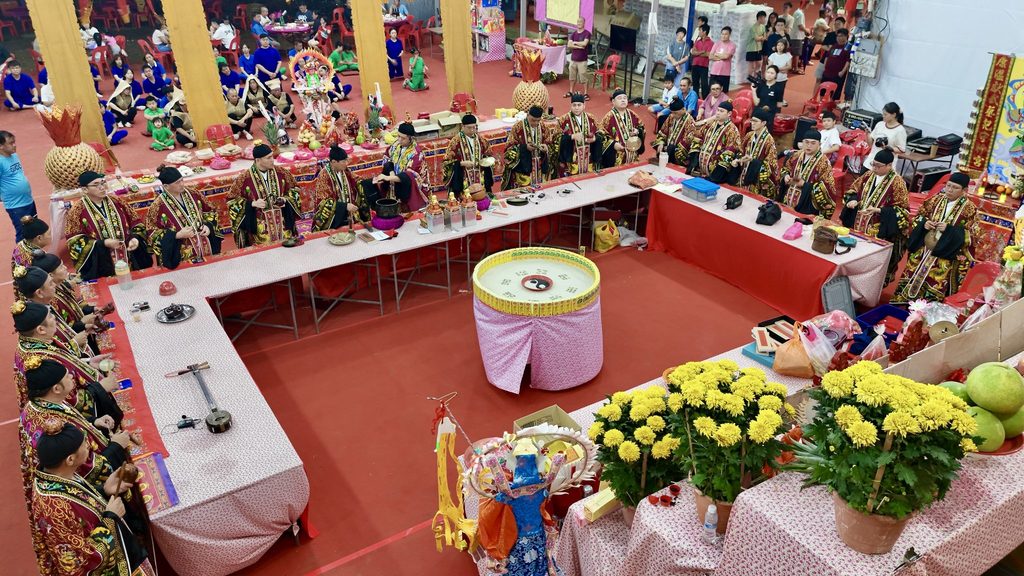
The ceremony was equally distinguished by the scale of its ceremonial participation.
A total of 21 Taoist priests, together with ritual musicians, formed a 30-person ceremonial contingent responsible for conducting the rites throughout the four-day observance.
This extensive participation added another dimension to the record, reflecting not only the physical scale of the paper offerings but also the number of religious practitioners and musicians involved in maintaining the ceremonial programme.
Bringing together priests, ritual specialists, craftsmen and family members required significant coordination while preserving the appropriate ceremonial structure throughout the observance.
It was this combination of large-scale paper craftsmanship and extensive officiating participation that distinguished the Goh Family’s ceremony within the ASEAN Records assessment.
Remembering Grandparents Through Filial Devotion
For the Goh Family, the ceremony was fundamentally centred on remembrance.
It was organised in loving memory of their late grandparents, honouring the love, guidance and kindness they had given the family during their lives. The merits of the ceremony were dedicated to the ancestors and family, together with wishes for peace, harmony, blessings and wisdom.
This personal purpose gives the achievement significance beyond its measurable dimensions.
Across generations, ancestral observances have served as a means for families to remember those who came before them, express gratitude and reinforce relationships between older and younger generations.
The Goh Family’s four-day ceremony demonstrated how these practices continue to be maintained in contemporary society while remaining connected to family memory and cultural identity.
Preserving Hokkien Taoist Cultural Heritage
The ASEAN Records recognition also brings attention to the continued practice of Hokkien Taoist ceremonial traditions within Southeast Asia.
Traditional religious observances depend on the transmission of knowledge between generations — not only within families but also among priests, craftspeople, ritual musicians and others who possess specialised cultural expertise.
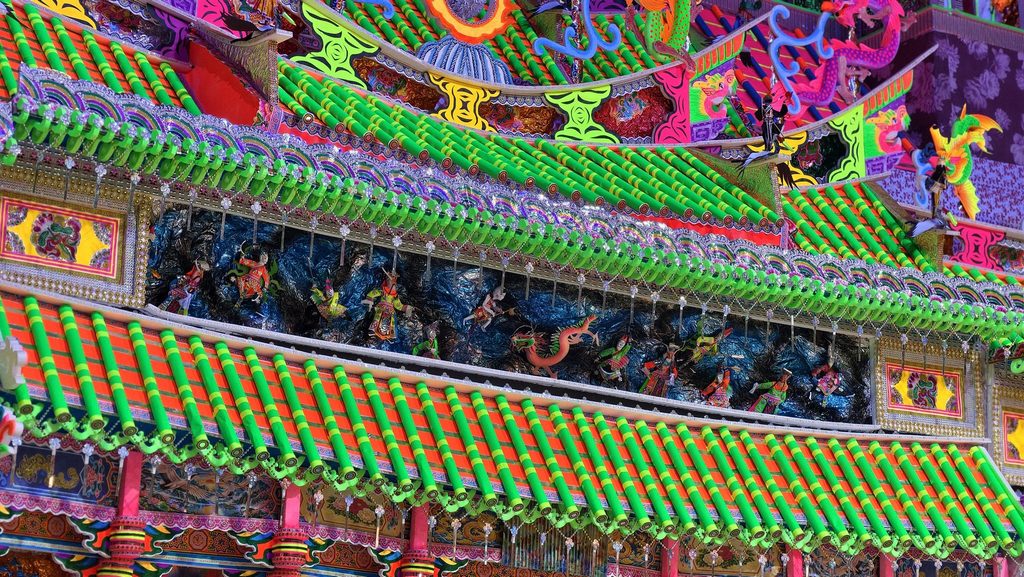
The preparation of large ceremonial structures and paper offerings, for example, requires craftsmanship that is traditionally learned and refined over time.
Likewise, the rites conducted by Taoist priests preserve religious practices that have been maintained through generations of communities across the region.
By bringing these elements together within one family observance, the Goh Family’s ceremony documented an important example of living cultural heritage — tradition being actively practised rather than preserved only as historical memory.
Traditional Craftsmanship Remains Central
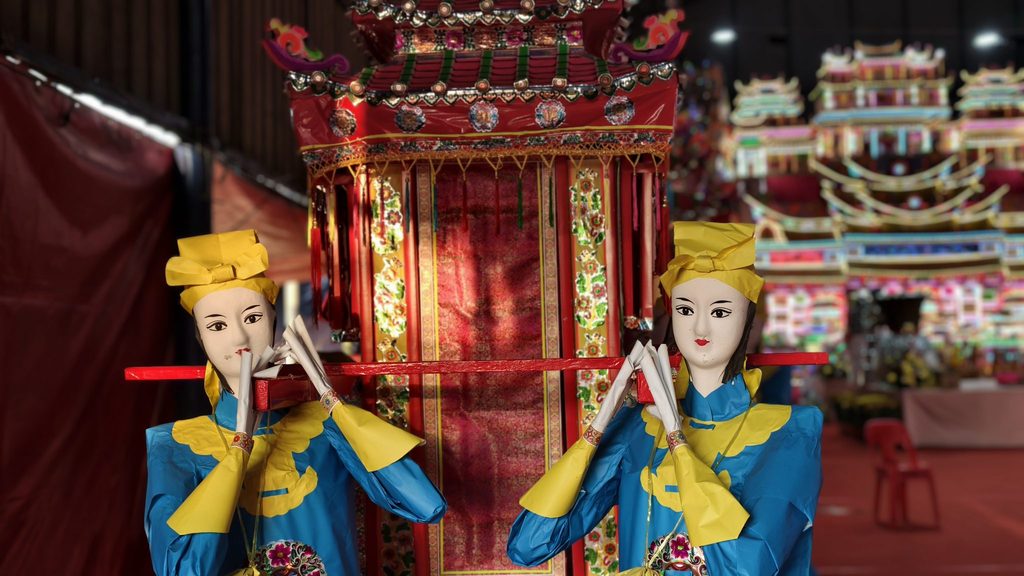
One of the most visually distinctive aspects of the ceremony was the extensive paper craftsmanship involved.
The merit house, paper private jet, palanquins and 202 paper figures required substantial preparation ahead of the four-day observance.
Large ceremonial paper constructions represent a specialised craft in which scale, structural design and detailed decorative work must be combined.
The 20-foot private jet, with an 18-foot wingspan, demonstrates how traditional offering practices can incorporate contemporary objects while remaining part of an established ceremonial framework.
Similarly, the scale of the merit house and its three-key underground treasury reflected the considerable craftsmanship involved in preparing the family’s tribute.
Through these elements, the ceremony highlighted the continuing relevance of traditional artisans within cultural and religious observances.
Family Tradition as a Link Between Generations
Ancestral ceremonies are also important because they create opportunities for younger family members to encounter traditions directly.
A large family observance brings cultural practices into a shared environment where stories, customs and values can be experienced collectively rather than learned only through written or historical accounts.
For the Goh Family, organising the ceremony in remembrance of their grandparents provided a direct connection between generations — linking the family’s present-day members with the legacy of those who came before them.
This dimension reinforces why heritage preservation often begins within families.
When traditions continue to be practised and understood within family settings, they remain dynamic parts of contemporary cultural life rather than becoming detached from the communities that created them.
A Milestone Moment of Recognition
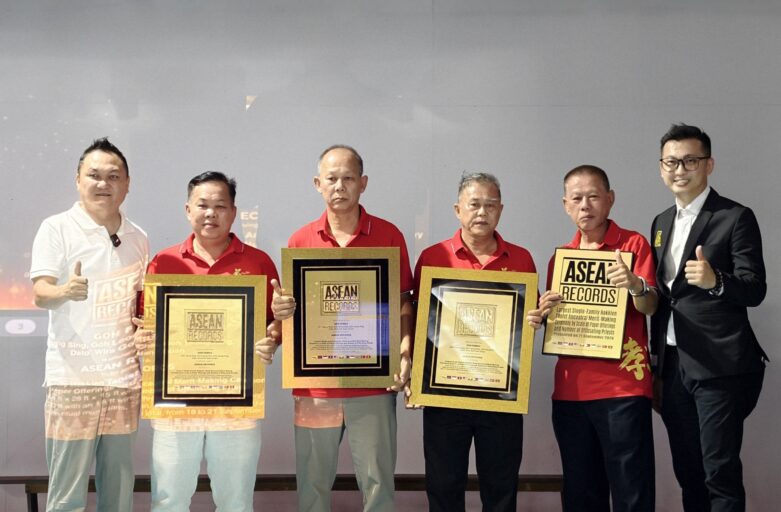
The ASEAN Records certificate was officially presented on 21 September 2026 at Sekolah Rendah Jenis Kebangsaan (Cina) Ming Tee.
The recognition was received on stage by Goh Leong Sing, Goh Leong Chai, Goh Leong Hing and Dato’ Wira Goh Kian Chuan, representing the family behind the four-day ancestral merit-making ceremony.
The presentation was witnessed by Dato Tony Looi.
The recognition formally documented the scale of the ceremony while acknowledging the family’s effort in continuing Hokkien Taoist cultural practices through an observance rooted in gratitude and remembrance.
Documenting Living Heritage Through Measurable Achievement
Cultural traditions are often difficult to quantify because their significance lies primarily in meaning, continuity and participation.
In this case, however, measurable elements — including the dimensions of the merit house, scale of the paper offerings, number of ceremonial figures and number of officiating priests — provided a framework through which the exceptional scope of the observance could be documented.
ASEAN Records recognition consequently serves not to redefine the religious meaning of the ceremony, but to formally record its scale as an exceptional single-family cultural observance.
That distinction is important because heritage is ultimately sustained by the communities and families that practise it.
The record provides a documented milestone while the deeper significance remains within the Goh Family’s act of remembrance and devotion.
Looking Ahead
The Goh Family’s ASEAN Records achievement demonstrates how a deeply personal family ceremony can also become an important record of cultural continuity.
Across four days, the family brought together 21 Taoist priests, ritual musicians, extensive ceremonial offerings and specialised craftsmanship, culminating in an observance distinguished both by its measurable scale and its commitment to ancestral remembrance.
More importantly, the achievement highlights the continuing place of Hokkien Taoist traditions within contemporary Southeast Asian life.
As communities modernise and lifestyles change, cultural practices remain strongest when they continue to be understood, experienced and passed between generations.
For the Goh Family, this recognition commemorates an extraordinary ceremony dedicated to their late grandparents. For the wider community, it documents how family devotion, traditional craftsmanship and religious practice can come together to preserve living heritage for future generations.
Learn more about this Official ASEAN Records Recognition