Fair Finance Asia (FFA) and the Influencing Just Energy Transition in ASEAN (I-JET) initiative have called on banks and investors across Southeast Asia to end financing for coal expansion and strengthen social safeguards as the region accelerates its transition towards cleaner energy. The appeal comes with the release of a new regional report that outlines practical recommendations for achieving a responsible and equitable phase-out of coal while protecting workers, local communities and vulnerable groups.
The report, “Phasing out Coal, Phasing in Justice: Roadmap for Financing a Responsible Regional Coal Phase-out in Asia,” examines energy transition policies and financing practices in Cambodia, Indonesia, Lao PDR, the Philippines and Thailand, while providing a broader assessment of ASEAN’s progress towards a low-carbon future. Although many ASEAN member states have introduced coal moratoriums, carbon pricing mechanisms, green taxonomies and early retirement plans for coal-fired power plants, the report concludes that stronger financial commitments are needed to align the region with the Paris Agreement’s 1.5°C climate target.
Financial Institutions Play a Critical Role
According to the report, banks and investors remain central to ASEAN’s energy transition because financing decisions directly influence the pace at which renewable energy replaces fossil fuels.
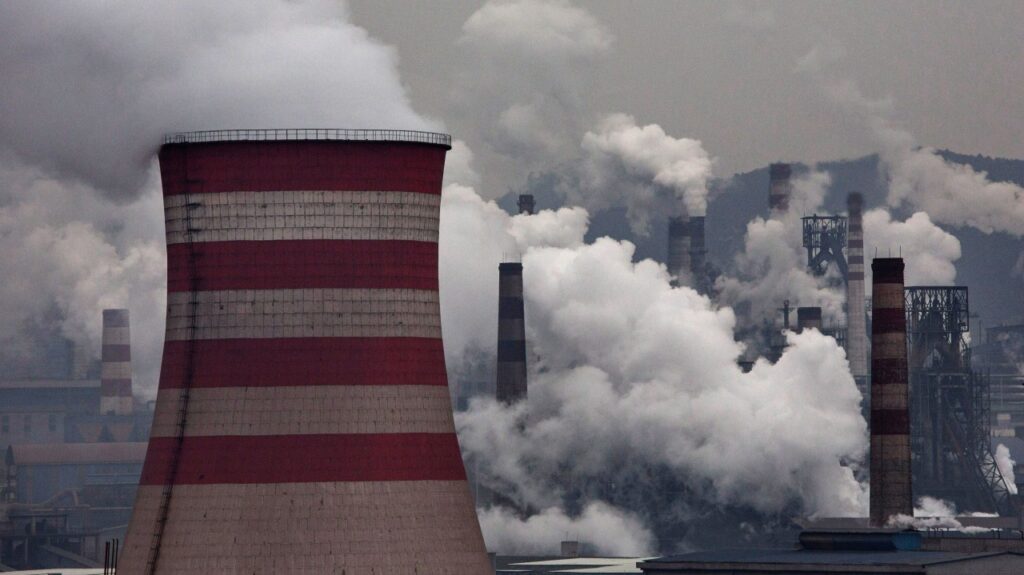
While international restrictions on coal financing have become more stringent in recent years, funding continues through corporate lending and upstream mining activities. The report recommends that financial institutions immediately cease financing new coal projects, adopt clear and time-bound coal phase-out policies, and redirect capital towards renewable energy, energy efficiency and other sustainable investments.
The report also cautions against relying heavily on liquefied natural gas (LNG) as a long-term transition fuel, noting concerns over price volatility, stranded asset risks and continued dependence on fossil fuels.
Putting People at the Centre of the Energy Transition
Beyond environmental considerations, Fair Finance Asia emphasises that a successful energy transition must also be socially inclusive.
The report calls for stronger protections for workers affected by coal plant closures, including income support, skills retraining and access to quality green jobs. It also recommends safeguarding the rights of Indigenous Peoples through Free, Prior and Informed Consent (FPIC), protecting land rights, promoting gender-responsive policies and ensuring civil society organisations and environmental defenders can participate meaningfully in transition planning.
By integrating social safeguards into financing decisions, ASEAN can ensure that climate action delivers equitable outcomes while reducing the economic and social impacts on affected communities.
Supporting ASEAN’s Clean Energy Ambitions
The recommendations align with ASEAN’s broader efforts to strengthen regional energy security while reducing carbon emissions.
Through the ASEAN Plan of Action for Energy Cooperation (APAEC) 2026–2030, member states are working to expand renewable energy deployment, improve energy efficiency and build more sustainable energy systems. Stronger alignment between financial institutions and these regional priorities could accelerate investment in clean technologies while supporting long-term economic resilience.
Redirecting financial flows towards renewable energy would also create new opportunities in solar, wind, battery storage, green infrastructure and emerging clean technology industries, supporting ASEAN’s transition to a more sustainable and competitive economy.
Strengthening Sustainable Finance Across the Region
The report highlights the growing importance of sustainable finance in achieving climate goals.
Banks, investors and policymakers are encouraged to adopt stronger environmental, social and governance (ESG) standards, improve transparency in financing decisions and align lending practices with internationally recognised climate commitments. These measures are expected to enhance investor confidence while supporting responsible economic development throughout Southeast Asia.
As global capital increasingly favours sustainable investments, strengthening responsible finance frameworks could also improve ASEAN’s attractiveness as a destination for green investment and climate-related financing.
Looking Ahead
ASEAN’s transition to a low-carbon economy will require coordinated action from governments, financial institutions, businesses and civil society.
Fair Finance Asia’s latest report underscores that ending coal financing is only one part of the solution. Equally important is ensuring that the transition is fair, inclusive and capable of creating new opportunities for communities, workers and businesses across the region.
By accelerating investment in renewable energy while embedding strong social safeguards into financing decisions, ASEAN can strengthen energy security, enhance economic resilience and move closer to achieving a sustainable and just energy future.