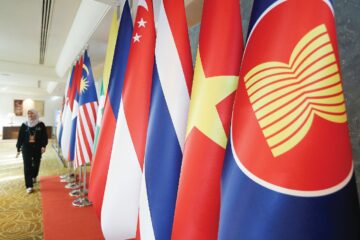
Southeast Asia’s screen industries are taking bold steps toward greater regional integration, as senior representatives from ASEAN film agencies, cultural institutions, and government ministries convened at the ASEAN Film & TV Summit 2025 to chart a unified path forward for co-production, distribution, and cultural diplomacy.
Held in Kuala Lumpur, the summit brought together key voices from Cambodia, Indonesia, Malaysia, and observers from Europe and East Asia to address the urgent need for policy alignment across the region’s creative sectors. The discussions centered on harmonizing production incentives, easing regulatory barriers, and enabling freer movement of talent and intellectual property (IP).
A Vision for “Screen ASEAN” and a Regional Co-Production Treaty
Among the most ambitious proposals was the formation of a regional co-production treaty and a shared streaming platform tentatively named “Screen ASEAN.” These initiatives aim to amplify ASEAN’s creative economy and reduce reliance on commercial distributors.
“Film is not just art — it is a creative product and an economic output. It even drives platforms like TikTok and Facebook,” said Judith J Dipodiputro, Secretary General of the Indonesian Film Board.
She emphasized the need to move beyond symbolic gestures:
“In five days, we can draw up an MOU. But I’d like to bring it one notch up. It’s a ‘get real’ game.”
Dipodiputro also highlighted the strategic opportunity presented by upcoming ASEAN chairmanships by the Philippines and Cambodia, calling them “milestones for regional creative policy.”
Cambodia’s Cinema Tourism Push and Co-Production Success
Huoy Socheat, Deputy Director of Cambodia’s Cinema and Cultural Diffusion Department, shared Cambodia’s recent achievements, including co-productions with Indonesia and Thailand, and the development of 143 small screening venues nationwide.
“Our Prime Minister wants to develop cinema tourism. Public locations are now free to shoot at, and visa extensions for foreign crews can be requested at no cost,” Socheat said.
Cambodia is also exploring new co-production agreements with India and China, building on informal collaborations with France and Korea.
Malaysia’s Call for ASEAN Content Slots and Community Screenings
Datuk Azmir Saifuddin Mutalib, CEO of the National Film Development Corporation Malaysia (Finas), proposed that each ASEAN country allocate dedicated slots for regional content and organize community screenings to foster cultural exchange.
Finas is also in talks with the Asian Film Alliance Network (AFAN) to launch a year-round regional film showcase, further strengthening ASEAN’s cinematic footprint.
📌 Toward a Unified ASEAN Film Strategy
Delegates agreed that ASEAN cinema can serve as a powerful tool for cultural diplomacy, highlighting shared heritage and linguistic ties. Films like Before Grandma Dies were cited as examples of emotionally resonant storytelling that transcends borders.
Dipodiputro stressed that any treaty must “assist, accelerate, and integrate” existing efforts, not replace them. AFAN is now consolidating summit insights into a policy memo to be presented to ASEAN working groups later this year.
“ASEAN has the talent, heritage, and ambition,” said Azmir. “What’s missing is the connective tissue — a regional strategy.”
The summit concluded with strong support for a formal ASEAN Co-Production Agreement, shared infrastructure such as festival circuits and archival initiatives, and a renewed commitment to positioning film as both a cultural export and a diplomatic bridge.