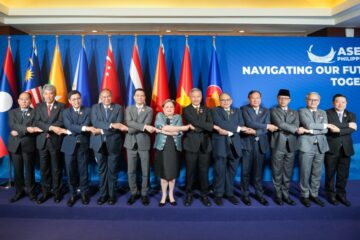
The ASEAN Centre for Energy (ACE), in collaboration with member states under the Energy Efficiency and Conservation Sub-Sector Network (EE&C-SSN), today officially unveiled the Regional Product Registration System (PRS) Database Platform. This centralised database aims to harmonise energy-efficiency standards across ASEAN, support mutual recognition of compliant appliances, and facilitate energy-efficient trade throughout the region.
Key Facts & Features
- What is the PRS Database?
The PRS is an online platform (accessible via prs.aseanenergy.org) that consolidates registration data for energy-efficient appliances—such as air conditioners, refrigerators, lighting products—from all ASEAN member states. It allows for visibility into which products are registered, compliant, as well as products whose registrations have been revoked. - Why It Matters
- Enables transparency for regulators, manufacturers, traders, and consumers regarding energy-efficient product compliance.
- Supports Mutual Recognition Agreements (MRAs) among ASEAN countries—making it easier to trade appliances that meet shared energy-efficiency standards.
- Helps ASEAN advance its Plan of Action for Energy Cooperation (APAEC), particularly efforts to reduce energy intensity in the region.
- Stakeholders & Leadership
Dr Supachai Sampao, Chair of the ASEAN EE&C-SSN Working Group on Appliances, emphasised the importance of cooperation among member states and partners in building a robust, up-to-date product compliance database.
Strategic Impact & Benefits
| Objective | Anticipated Impact |
|---|---|
| Trade Facilitation | Reduction of technical barriers to trade; more efficient cross-border movement of appliances that meet shared energy-efficiency standards. |
| Regulatory Clarity | Real-time visibility on products that are compliant or revoked, aiding regulators in enforcement and oversight. |
| Consumer & Market Confidence | Clear information will boost consumer trust; manufacturers and sellers have incentives to comply with standards. |
| Energy & Environmental Outcomes | Lower energy consumption across the region; contribution to emissions reduction targets and more sustainable economic growth. |
Quotes
“The collaboration between ASEAN member states and partners is crucial in developing a comprehensive database of energy-efficient appliances. This will ultimately support mutual recognition arrangements in ASEAN.”
— Dr Supachai Sampao, Chair of the ASEAN EE&C-SSN Working Group on Appliances
Next Steps & Implementation
- Roll-Out & Data Population — Progressive updates to the database, with member states adding new approved models, revocations, and ensuring data remains current.
- Harmonisation of Standards — Aligning test procedures, performance criteria, and labelling requirements across ASEAN countries to make MRAs effective.
- Capacity Building & Technical Assistance — Supporting countries with less resources to adopt and enforce standards; helping manufacturers with compliance.
- Monitoring & Feedback Mechanisms — Establishing systems to monitor usage of the PRS, gather feedback, and iterate improvements.
- Public & Private Stakeholder Engagement — Encouraging manufacturers, importers/exporters, retailers, and civil society to use and support the database; raise awareness among consumers.
About ASEAN and EE&C-SSN
The ASEAN Plan of Action for Energy Cooperation (APAEC) provides a regional framework for sustainable energy development, which includes energy efficiency & conservation as a key pillar. The EE&C Sub-Sector Network (SSN) is one of its working groups focused on appliances, lighting, building codes, and other energy efficiency measures. With initiatives such as the PRS database, ASEAN aims to strengthen cooperation among member states, reduce energy intensity, and foster cleaner, more efficient trade and industry.