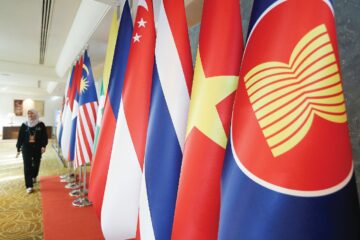
MANILA / KUALA LUMPUR — 19 February 2026 — The Republic of the Philippines has been identified as one of the slowest recovering tourism destinations in the ASEAN region, with intra-regional visitor numbers lagging significantly behind most Southeast Asian neighbours, according to the latest data from the ASEAN Statistics Division (ASEANstats).
The report covering tourism trends from 2019 to 2024 shows that while ASEAN travel has rebounded region-wide after the pandemic shock — reaching nearly 48.5 million intra-ASEAN arrivals in 2024 — the Philippines’ recovery has remained subdued compared with strong rebounds seen in Malaysia, Thailand, Cambodia and Vietnam.
Tourism Recovery Gaps — Data and Analysis
Academic analysis by University of the Philippines associate professor and data scientist Dr. Rogelio Alicor Panao reveals that:
- Pre-pandemic tourism: In 2019, the Philippines recorded 526,832 intra-ASEAN visitors, a modest figure compared with Malaysia’s 17.9 million and Thailand’s 10.8 million.
- Pandemic impact: Visitor arrivals plunged to just 7,773 in 2021, one of the steepest declines in the region.
- Post-pandemic rebound: Arrivals recovered only to 188,205 in 2022 and 484,465 in 2024, remaining well below the country’s pre-COVID levels.
By contrast, Malaysia and Thailand nearly returned to their 2019 tourism volumes by 2024, while Cambodia and Vietnam more than doubled their 2022 figures within two years, reflecting faster recovery trajectories in those markets.
Structural Constraints and Competitive Pressures
According to tourism analysts, the Philippines’ slower rebound is shaped by persistent structural hurdles:
- Travel costs and connectivity: Higher travel expenses, fragile inter-island transport links and uneven aviation infrastructure have made travel within the Philippines less seamless, affecting competitiveness.
- Marketing investment gaps: Tourism officials acknowledge that the Philippines has operated with a smaller promotion and branding budget compared with regional peers — a factor that has hampered global and ASEAN promotions. Tourism Secretary Christina Garcia Frasco noted that the Department of Tourism’s marketing budget declined from P1.3 billion in 2023 to just P100 million in 2025, significantly lower than spending by competitors.
- Geopolitics and market shifts: Reduced connectivity from key markets such as China has dampened arrivals, partly due to suspended electronic visas and broader geopolitical tensions.
Experts also note that border infrastructure, travel convenience and overall ease of movement are decisive factors for today’s global travellers — areas in which some ASEAN peers have gained competitive advantages.
Tourism’s Continued Economic Importance
Despite the slower recovery in foreign arrivals, tourism remains a major pillar of the Philippine economy:
- Tourism contributed approximately US$91.8 billion to the Philippine economy in 2025, the highest in Southeast Asia according to the World Travel and Tourism Council (WTTC).
- The sector accounted for nearly 20% of GDP and supported about 11.22 million jobs, or roughly 23% of national employment.
Domestic tourism — fueled by strong local demand — has played a crucial role in sustaining the industry, with domestic spending reaching an estimated $63.4 billion and more than 134 million domestic trips in 2024, representing over 35% of ASEAN’s total domestic tourism expenditure.
Policy Momentum and Reform Dialogue
Amid these challenges, policymakers and industry stakeholders are engaged in discussions to strengthen the country’s tourism competitiveness within the region. Recent legislative measures being proposed include efforts to abolish the mandatory travel tax to reduce travel costs and stimulate passenger volumes, encouraging broader tourism flows and economic activity.
Senator Francis Pangilinan has argued that lowering travel costs could enable higher passenger volumes, broaden tourism spending across transport, accommodation and services, and generate positive economic spillovers.
Quote
“While tourism continues to be a powerful driver of inclusive growth and job creation, our recovery in international arrivals has not kept pace with the rest of ASEAN. Addressing structural constraints — from connectivity and cost competitiveness to marketing investment — will be crucial for re-establishing the Philippines as a premier regional destination.”
— Senior Tourism Analyst (commenting on ASEAN tourism data and trends)
Looking Ahead
With the Philippines hosting key regional tourism events such as the ASEAN Tourism Forum 2026 in Cebu as part of its ASEAN Chairmanship agenda, stakeholders are hopeful that a renewed focus on connectivity, branding and policy reforms will accelerate the country’s tourism rebound and help narrow the gap with its ASEAN neighbours.
Notes to Editors:
- The data referenced above are drawn from ASEAN tourism statistics spanning 2019–2024, indicating relative positioning in intra-ASEAN travel recovery.
- The World Travel and Tourism Council (WTTC) reports underscore tourism’s economic contribution despite uneven arrival trends.
The Republic of the Philippines has been identified as one of the slowest recovering tourism destinations in the ASEAN region, with intra-regional visitor numbers lagging significantly behind most Southeast Asian neighbours, according to the latest data from the ASEAN Statistics Division (ASEANstats).
The report covering tourism trends from 2019 to 2024 shows that while ASEAN travel has rebounded region-wide after the pandemic shock — reaching nearly 48.5 million intra-ASEAN arrivals in 2024 — the Philippines’ recovery has remained subdued compared with strong rebounds seen in Malaysia, Thailand, Cambodia and Vietnam.
Tourism Recovery Gaps — Data and Analysis
Academic analysis by University of the Philippines associate professor and data scientist Dr. Rogelio Alicor Panao reveals that:
- Pre-pandemic tourism: In 2019, the Philippines recorded 526,832 intra-ASEAN visitors, a modest figure compared with Malaysia’s 17.9 million and Thailand’s 10.8 million.
- Pandemic impact: Visitor arrivals plunged to just 7,773 in 2021, one of the steepest declines in the region.
- Post-pandemic rebound: Arrivals recovered only to 188,205 in 2022 and 484,465 in 2024, remaining well below the country’s pre-COVID levels.
By contrast, Malaysia and Thailand nearly returned to their 2019 tourism volumes by 2024, while Cambodia and Vietnam more than doubled their 2022 figures within two years, reflecting faster recovery trajectories in those markets.
Structural Constraints and Competitive Pressures
According to tourism analysts, the Philippines’ slower rebound is shaped by persistent structural hurdles:
- Travel costs and connectivity: Higher travel expenses, fragile inter-island transport links and uneven aviation infrastructure have made travel within the Philippines less seamless, affecting competitiveness.
- Marketing investment gaps: Tourism officials acknowledge that the Philippines has operated with a smaller promotion and branding budget compared with regional peers — a factor that has hampered global and ASEAN promotions. Tourism Secretary Christina Garcia Frasco noted that the Department of Tourism’s marketing budget declined from P1.3 billion in 2023 to just P100 million in 2025, significantly lower than spending by competitors.
- Geopolitics and market shifts: Reduced connectivity from key markets such as China has dampened arrivals, partly due to suspended electronic visas and broader geopolitical tensions.
Experts also note that border infrastructure, travel convenience and overall ease of movement are decisive factors for today’s global travellers — areas in which some ASEAN peers have gained competitive advantages.
Tourism’s Continued Economic Importance
Despite the slower recovery in foreign arrivals, tourism remains a major pillar of the Philippine economy:
- Tourism contributed approximately US$91.8 billion to the Philippine economy in 2025, the highest in Southeast Asia according to the World Travel and Tourism Council (WTTC).
- The sector accounted for nearly 20% of GDP and supported about 11.22 million jobs, or roughly 23% of national employment.
Domestic tourism — fueled by strong local demand — has played a crucial role in sustaining the industry, with domestic spending reaching an estimated $63.4 billion and more than 134 million domestic trips in 2024, representing over 35% of ASEAN’s total domestic tourism expenditure.
Policy Momentum and Reform Dialogue
Amid these challenges, policymakers and industry stakeholders are engaged in discussions to strengthen the country’s tourism competitiveness within the region. Recent legislative measures being proposed include efforts to abolish the mandatory travel tax to reduce travel costs and stimulate passenger volumes, encouraging broader tourism flows and economic activity.
Senator Francis Pangilinan has argued that lowering travel costs could enable higher passenger volumes, broaden tourism spending across transport, accommodation and services, and generate positive economic spillovers.
Quote
“While tourism continues to be a powerful driver of inclusive growth and job creation, our recovery in international arrivals has not kept pace with the rest of ASEAN. Addressing structural constraints — from connectivity and cost competitiveness to marketing investment — will be crucial for re-establishing the Philippines as a premier regional destination.”
— Senior Tourism Analyst (commenting on ASEAN tourism data and trends)
Looking Ahead
With the Philippines hosting key regional tourism events such as the ASEAN Tourism Forum 2026 in Cebu as part of its ASEAN Chairmanship agenda, stakeholders are hopeful that a renewed focus on connectivity, branding and policy reforms will accelerate the country’s tourism rebound and help narrow the gap with its ASEAN neighbours.