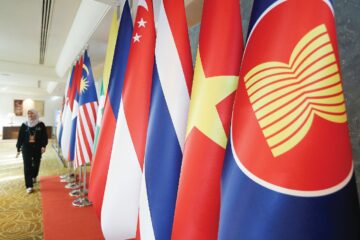
Escalating tensions in the Middle East are sending significant economic and geopolitical shockwaves across both ASEAN and Europe, disrupting energy markets, trade flows and global supply chains, while reinforcing the urgency for coordinated international responses.
The ongoing conflict — marked by intensifying military actions and retaliatory strikes — has heightened global uncertainty, with ripple effects extending far beyond the region to impact energy security, inflation and economic stability worldwide. (ASEAN)
Energy and Trade Disruptions Impact ASEAN and Europe
The Middle East remains a critical supplier of oil and gas, and disruptions to supply routes have led to surging energy prices and heightened volatility. ASEAN economies, which rely heavily on energy imports from the region, are particularly exposed to these shocks. (ASEAN Centre for Energy (ACE))
Experts warn that:
- Rising oil prices are increasing production and transportation costs
- Supply chain disruptions are affecting manufacturing and trade flows
- Inflationary pressures are building across multiple economies (AMRO Asia)
Europe is similarly affected, with energy supply interruptions contributing to broader economic strain and reinforcing the interconnected nature of global energy markets. (Wikipedia)
ASEAN Responds with Calls for Diplomacy and Stability
In response to the crisis, ASEAN leaders have convened high-level discussions, expressing serious concern over the escalating conflict and its implications for regional and global stability. (ASEAN)
ASEAN foreign ministers have collectively:
- Called for an immediate cessation of hostilities
- Urged all parties to exercise restraint and uphold international law
- Emphasised the importance of dialogue and diplomatic solutions (CGTN News)
These actions reflect ASEAN’s longstanding commitment to maintaining peace and stability through cooperative and rules-based approaches.
Economic Risks and Strategic Implications
The crisis is expected to have far-reaching implications for ASEAN and Europe, including:
For ASEAN:
- Increased vulnerability to energy price shocks
- Pressure on trade-dependent economies
- Potential slowdown in economic growth and investment flows
For Europe:
- Heightened energy insecurity and supply constraints
- Broader economic impact from trade disruptions and inflation
At the same time, the situation underscores ASEAN’s strategic importance as a global trade hub, linking key routes between the Middle East, Europe and East Asia. (Wikipedia)
Strengthening ASEAN–Europe Cooperation
The evolving crisis highlights the need for deeper cooperation between ASEAN and the European Union, whose long-standing partnership spans trade, investment, security and sustainability initiatives. (Wikipedia)
Both regions are expected to:
- Enhance energy diversification strategies
- Strengthen supply chain resilience
- Promote open and stable trade frameworks
Such collaboration will be critical in mitigating the impact of global disruptions and ensuring long-term economic stability.
Quote
“The current crisis demonstrates how deeply interconnected our world has become. Strengthening cooperation, ensuring energy resilience and upholding international law are essential to safeguarding stability for ASEAN, Europe and the global economy.”
Looking Ahead
As geopolitical tensions continue to evolve, ASEAN and its global partners face a defining moment — one that will shape the future of energy security, economic resilience and international cooperation.
By reinforcing diplomatic engagement, strengthening regional coordination and investing in resilient infrastructure, ASEAN is well positioned to navigate these challenges and maintain its role as a dynamic and stabilising force in the global economy.