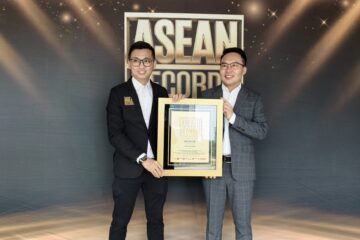
Indonesia, Malaysia and Brunei have jointly launched a landmark regional initiative, forming the Southeast Asia Fertilizer Association (SEAFA) to strengthen food security, supply chain resilience and agricultural sustainability across ASEAN. (Antara News)
The alliance, announced during the Argus Fertilizer Asia Conference 2026, brings together three major industry players — Pupuk Indonesia, Petronas Chemicals Group and Brunei Fertilizer Industries — marking a significant step toward coordinated regional action in response to global food and fertilizer market volatility. (Antara News)
A Strategic Response to Global Food and Supply Chain Pressures
The formation of SEAFA comes amid increasing concerns over volatile fertilizer markets, geopolitical tensions and supply chain disruptions, all of which have heightened risks to global food systems. (Antara News)
By strengthening cooperation among ASEAN fertilizer producers, the alliance aims to:
- Ensure stable and reliable fertilizer supply across the region
- Reduce exposure to external market shocks
- Support agricultural productivity and food availability
- Enhance ASEAN’s role in the global fertilizer industry (Antara News)
This coordinated effort reflects a growing recognition that food security and agricultural inputs are critical strategic priorities for Southeast Asia.
Enhancing Regional Collaboration and Industrial Synergy
SEAFA is designed as a long-term platform for knowledge-sharing, innovation and industry collaboration, enabling member countries to align strategies and strengthen regional capabilities.
Key areas of cooperation include:
- Technology development and production capacity expansion
- Supply chain optimisation and digitalisation
- Adoption of sustainable and low-carbon fertilizer solutions
- Coordination on regional and global policy engagement (Antara News)
Brunei will host the alliance’s main secretariat, while Indonesia assumes the role of first Chairman, with Malaysia serving as Co-Chair under a rotating leadership structure. (Antara News)
Supporting ASEAN’s Food Security Agenda
Fertilizers play a vital role in agricultural productivity — with global estimates suggesting that a significant share of food production depends on their use. (Fertilizer.org)
The alliance is therefore expected to:
- Strengthen fertilizer availability for farmers
- Improve crop yields and agricultural efficiency
- Contribute to stable food prices and supply
This aligns with ASEAN’s broader vision of building a resilient, sustainable and integrated food system across the region. (ASEAN)
Driving Competitiveness and Regional Growth
Beyond food security, SEAFA is also positioned to enhance ASEAN’s competitiveness by:
- Strengthening the region’s industrial base in fertilizer production
- Expanding access to innovation and advanced technologies
- Improving ASEAN’s contribution to global supply stability (Antara News)
The initiative is expected to evolve into a regional industry voice, representing Southeast Asia in international discussions on agriculture, sustainability and climate resilience.
Quote
“This is not merely a ceremonial step, but a move toward long-term regional progress. Addressing food security challenges requires stronger collaboration, shared responsibility and sustained innovation.”
— Rahmad Pribadi, President Director, Pupuk Indonesia (Antara News)
A Milestone for ASEAN Cooperation
The launch of the ASEAN Fertilizer Alliance represents a significant milestone in the region’s transition toward proactive, coordinated solutions to global challenges.
It highlights how ASEAN member states are:
- Moving beyond national strategies toward collective resilience
- Strengthening cross-border industrial cooperation
- Prioritising food security as a regional imperative
Looking Ahead
As global uncertainties continue to affect agriculture and food supply chains, initiatives like SEAFA will play a crucial role in ensuring ASEAN’s long-term stability, sustainability and self-reliance.
With plans to expand membership to other ASEAN countries, the alliance is poised to become a cornerstone of regional food security strategy, reinforcing ASEAN’s position as a collaborative, resilient and forward-looking economic community.