ASEAN foreign ministers gathered in Manila with regional security, food resilience and energy cooperation high on the agenda, as Southeast Asia seeks to strengthen its collective response to geopolitical tensions and disruptions affecting trade, energy supplies and essential commodities.
Malaysia’s Foreign Minister Datuk Seri Mohamad Hasan highlighted the importance of ASEAN taking coordinated action on challenges ranging from tensions in the South China Sea to the conflict in the Middle East, while also strengthening the region’s ability to secure essential food and energy supplies.
Strengthening ASEAN’s Food Security
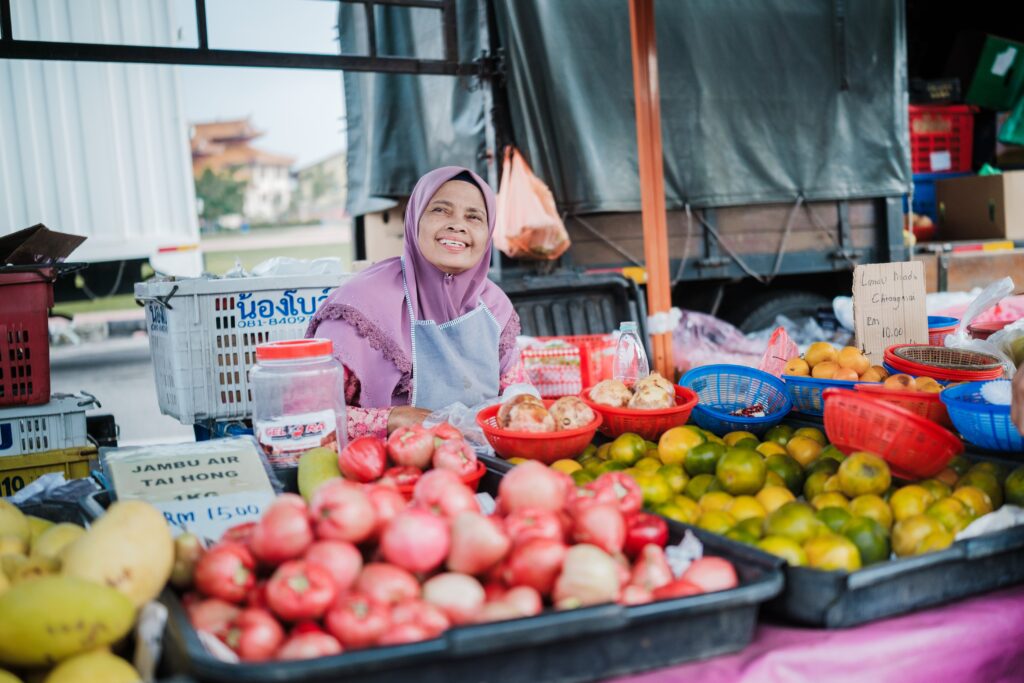
Food security emerged as a major priority, with particular attention placed on ensuring reliable supplies of rice and other essential food products across Southeast Asia.
Mohamad emphasised that ASEAN member states possess different agricultural strengths that could be harnessed collectively. By identifying which countries are best positioned to produce specific commodities, ASEAN could develop a more coordinated regional food-security strategy and reduce vulnerability to external supply disruptions.
Such cooperation is becoming increasingly important as climate change, extreme weather and disruptions to global fertiliser and commodity markets create additional pressure on Southeast Asia’s food systems.
Regional Security Remains a Key Priority
The ministers also addressed an increasingly complex geopolitical environment, including South China Sea tensions, the situation in Myanmar and instability in the Middle East.
Although many international conflicts occur beyond Southeast Asia, their economic consequences can quickly reach ASEAN through higher energy prices, disrupted shipping routes, supply-chain pressures and weaker global trade.
The discussions therefore reinforced the importance of ASEAN maintaining unity and centrality while developing coordinated responses to developments that could affect regional peace, stability and economic resilience.
ASEAN Power Grid Gains Greater Importance
Energy security formed another important part of the regional agenda.
Mohamad highlighted the development of the ASEAN Power Grid, including opportunities to expand cross-border electricity sharing between energy-producing countries such as Laos, Vietnam and Cambodia and other ASEAN markets, including Malaysia.
Greater regional electricity connectivity could allow ASEAN countries to leverage their respective energy strengths while improving reliability and supporting the region’s transition towards cleaner sources of power.
The wider ministerial discussions also emphasised the need to accelerate renewable energy development and improve regional energy interconnectivity.
Protecting Trade and Supply Chains
The 59th ASEAN Foreign Ministers’ Meeting and Related Meetings, held from 20 to 24 July 2026, also considered how geopolitical instability could affect Southeast Asia’s trade, investment and supply chains.
ASEAN’s highly interconnected economies depend heavily on stable shipping routes, reliable energy supplies and predictable international trade. External disruptions can therefore have significant consequences for businesses and consumers throughout the region.
Strengthening intra-ASEAN cooperation in food, energy and trade could provide an important buffer against future shocks while reducing excessive dependence on external markets.
Building a More Resilient ASEAN
The discussions in Manila demonstrate how ASEAN’s regional agenda is increasingly connecting security with economic resilience.
Food supplies, energy infrastructure, trade routes and supply chains are no longer viewed solely as economic issues. They are becoming essential components of regional security and long-term stability.
By combining the agricultural, energy and industrial strengths of its member states, ASEAN has an opportunity to build stronger internal resilience while preserving its openness to international trade and investment.
Looking Ahead
The ASEAN Foreign Ministers’ Meeting underscored the growing importance of collective action as Southeast Asia navigates an increasingly uncertain international environment.
From protecting food supplies and advancing the ASEAN Power Grid to responding to geopolitical tensions and safeguarding regional trade, ASEAN’s ability to coordinate across borders will be crucial to maintaining stability and sustainable economic growth.
The challenge ahead will be translating these discussions into practical regional mechanisms. Stronger cooperation in agriculture, electricity connectivity and supply-chain resilience could ultimately help ASEAN become more self-reliant, interconnected and prepared for future global disruptions, while reinforcing its central role in shaping Southeast Asia’s security and economic future.