The accelerating development of the Hainan Free Trade Port (FTP) is opening new opportunities for businesses and investors from Malaysia and across ASEAN, as the Chinese island strengthens its position as a strategic gateway connecting China with regional and global markets.
With expanding international shipping connections, preferential tax policies and greater openness to cross-border business, Hainan is positioning itself as an increasingly important platform for cooperation in supply chains, digital trade, investment, tourism and education.
Strengthening Malaysia–Hainan Trade Connectivity
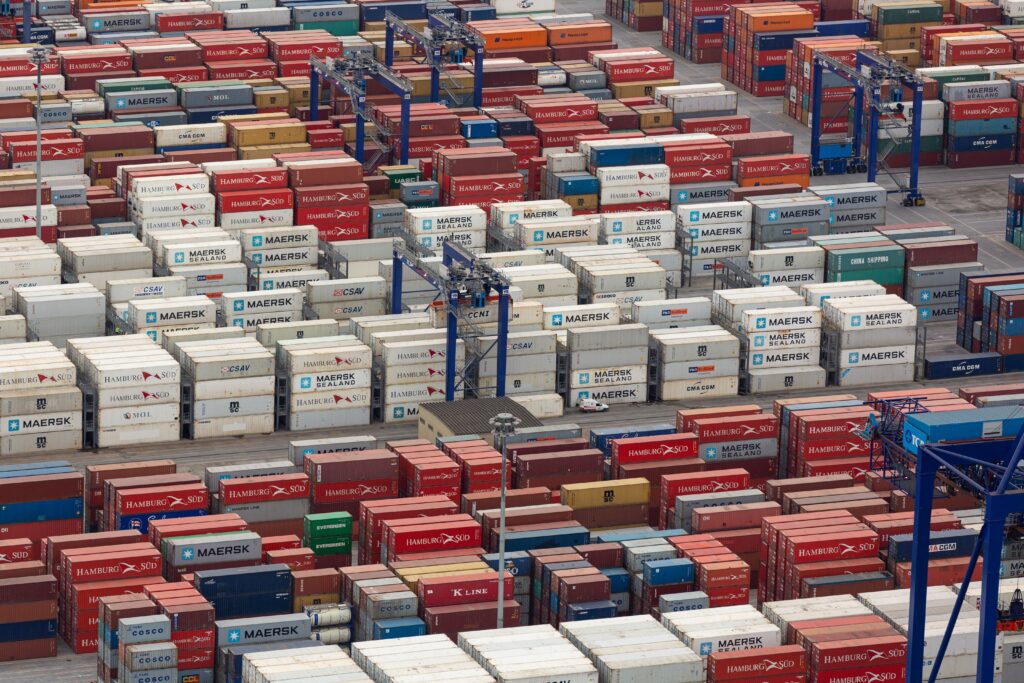
A key driver of the emerging relationship is the expansion of Yangpu Port, one of Hainan’s major international gateways.
The port currently operates three main shipping routes connected to Malaysia, including direct calls at Port Klang and Pasir Gudang, creating stronger maritime links between Malaysian businesses and the Chinese market.
Hainan Harbor and Shipping Holding Co Ltd also intends to optimise its route network, increase sailing frequency and deepen cooperation with ports throughout Malaysia and ASEAN.
Greater connectivity could help businesses reduce logistics friction, improve transshipment efficiency and strengthen the increasingly interconnected China–ASEAN supply-chain ecosystem.
Free Trade Policies Create New Investment Opportunities
Hainan’s transformation extends beyond physical infrastructure.
The Free Trade Port offers preferential policies designed to attract international businesses, investment and talent, including a 15% corporate and personal income tax rate for eligible enterprises and individuals.
Since Hainan launched island-wide special customs operations in December 2025, businesses have also benefited from measures including expanded zero-tariff treatment and import-tariff exemptions for qualifying products that undergo sufficient value-added processing on the island.
For Malaysian and ASEAN businesses, these policies could create opportunities to establish operations in Hainan, participate in value-added processing and use the island as a strategic platform for accessing China’s enormous domestic market.
Digital Trade Emerges as a New Growth Area
Hainan is also positioning itself for growth in the digital economy.
Its Free Trade Port framework seeks to facilitate cross-border flows involving trade, investment, capital, transportation, people and data, while developing mechanisms intended to support international business activity.
For ASEAN’s expanding technology ecosystem, this could create opportunities in areas such as digital services, e-commerce, fintech and other technology-driven industries.
Malaysia’s established digital economy and growing technology sector could make Malaysian companies particularly well positioned to explore partnerships and investment opportunities as Hainan expands its international digital business ecosystem.
Tourism and Education Expand Beyond Traditional Trade
The opportunities between Hainan and ASEAN are not limited to goods and investment.
Hainan is also seeking growth across medical tourism, marine tourism and international education, providing additional areas where Malaysian and Southeast Asian organisations could develop partnerships.
As a tropical island economy with strong tourism ambitions, Hainan shares several economic and cultural connections with Southeast Asia. These similarities could support collaboration involving hospitality, healthcare, education, aviation and tourism-related services.
Hainan’s longstanding cultural connections with Southeast Asia, particularly Malaysia, could further support people-to-people engagement alongside growing commercial ties.
A New Gateway Between ASEAN and China
Hainan’s geographic location gives the Free Trade Port particular relevance to Southeast Asia.
The island sits close to major ASEAN markets and international maritime routes while providing access to mainland China’s vast consumer economy. This combination could allow Hainan to develop into an increasingly important commercial bridge between China and Southeast Asia.
Recent performance indicates that the Free Trade Port’s opening measures are already generating momentum. In the first five and a half months following island-wide special customs operations, Hainan recorded 173.98 billion yuan in foreign trade in goods, while average import clearance times declined by 20%.
For ASEAN exporters in sectors ranging from agriculture and food to manufacturing and consumer products, stronger connectivity with Hainan could provide additional routes into the Chinese market.
Building a Stronger China–ASEAN Economic Ecosystem
Hainan’s Free Trade Port development comes as economic integration between China and ASEAN continues to deepen.
Rather than serving only as another Chinese trading centre, Hainan has the potential to function as a specialised platform where ASEAN businesses can connect with Chinese consumers, investors, logistics networks and emerging industries.
Malaysia could play an important role in this ecosystem because of its established manufacturing base, strategic ports, digital capabilities and longstanding commercial relationship with China.
Greater cooperation between Hainan, Malaysia and other ASEAN economies could therefore strengthen regional supply chains while generating new opportunities for SMEs, exporters, investors and service providers.
Looking Ahead
The rise of the Hainan Free Trade Port represents a potentially significant development for Malaysia and the wider ASEAN business community.
Its combination of preferential taxation, expanded port connectivity, trade facilitation and opportunities in digital services, tourism and education creates multiple pathways for deeper economic cooperation.
As Hainan continues opening its economy and strengthening connections with Southeast Asia, Malaysian and ASEAN businesses could increasingly view the island not simply as another Chinese destination, but as a strategic gateway for entering and expanding within one of the world’s largest consumer markets.
The next phase will depend on how effectively businesses translate these policy advantages and infrastructure connections into investment, partnerships and commercial activity. If that momentum continues, Hainan could become an increasingly important link in the evolving China–ASEAN economic corridor.