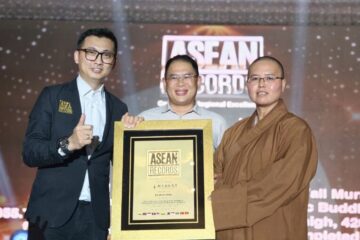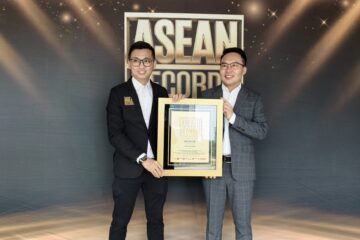
Good Taste Restaurant, a homegrown kopitiam chain rooted in a family culinary tradition dating back to 1970, has been officially recognised by ASEAN Records for preserving its three-generation wanton noodle heritage while successfully expanding across Malaysia and Indonesia.
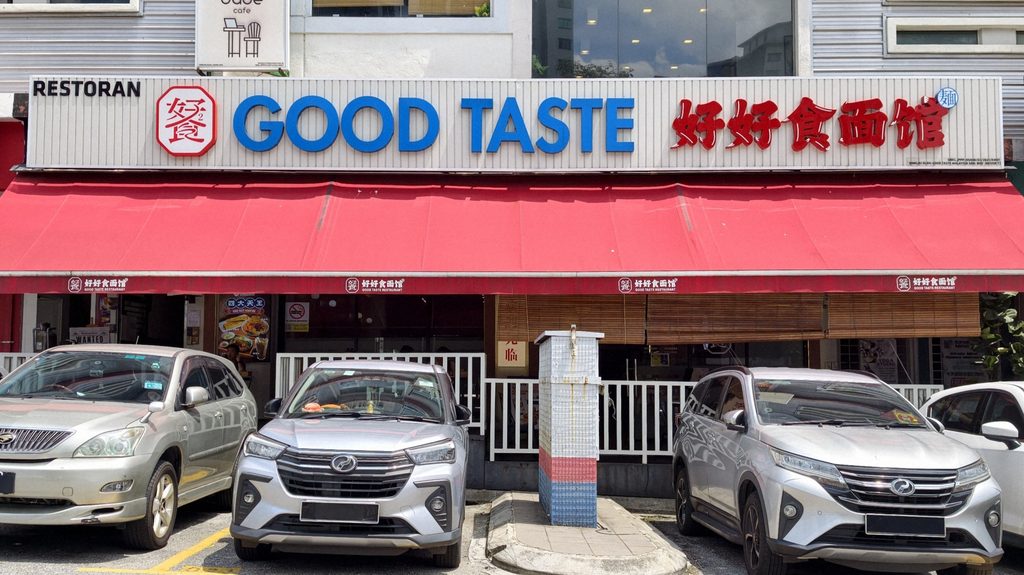
From its beginnings as a humble street food business, Good Taste Restaurant has transformed a treasured family recipe into a regional food and beverage operation with 30 outlets across two ASEAN countries, while retaining the handmade preparation and distinctive dark-sauce flavour that have defined its signature wanton noodles for decades.
A Three-Generation Culinary Legacy Achieves ASEAN Records Recognition
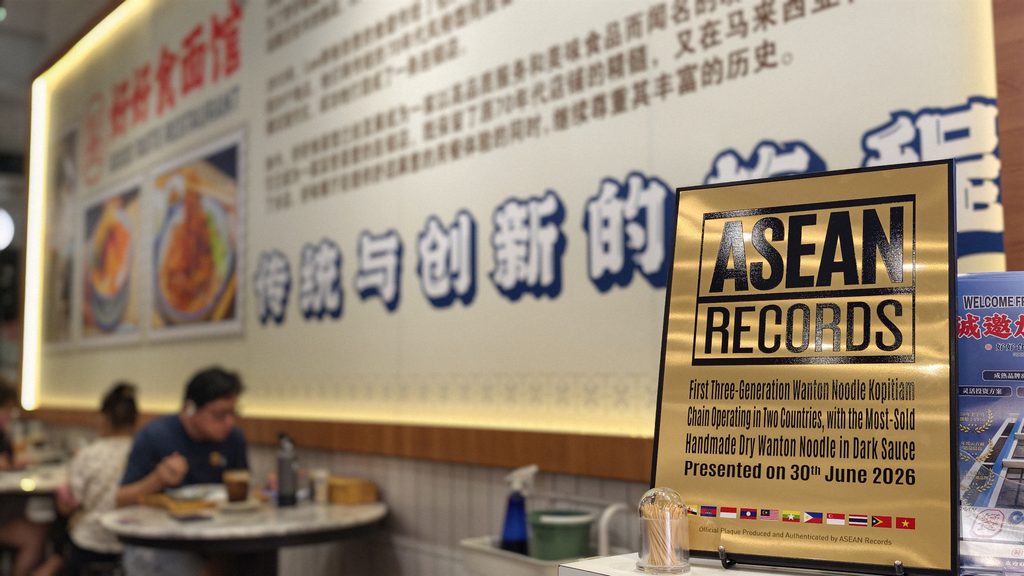
Good Taste Restaurant was officially recognised under the ASEAN Records title:
First Three-Generation Wanton Noodle Kopitiam Chain Operating in Two Countries, with the Most-Sold Handmade Dry Wanton Noodle in Dark Sauce
(1,722,575 plates sold across 30 outlets in 2025; 30 outlets across Malaysia and Indonesia as of June 2026; family recipe in continuous use since 1970).
The achievement highlights the restaurant group’s ability to balance two important dimensions of the modern food and beverage industry — preserving culinary heritage while achieving commercial scale.
Selling more than 1.72 million plates within a single year, while maintaining a family recipe across a growing regional network, reflects both sustained customer demand and the operational consistency required to bring a traditional dish to a much wider audience.
From a Street Vendor in 1970 to a Regional Kopitiam Chain
The story of Good Taste Restaurant began in 1970, when Mr. Lee Jin started serving wanton noodles as a street vendor using a family recipe inherited from his grandfather.
What began as a traditional street food business gradually developed a loyal customer following. After decades of building the business around its signature noodles, Lee opened his first shop in 2008, marking the transition from street vending to a permanent restaurant operation.
Another major transition followed in 2013, when the family recipe was passed down to his three sons. Under the next generation, the business expanded into a modern kopitiam chain while continuing to preserve the recipe and culinary identity established by the family.
Today, that journey spans three generations and two countries, demonstrating how a traditional family food business can evolve without abandoning the product at the heart of its identity.
More Than 1.72 Million Plates Served in One Year
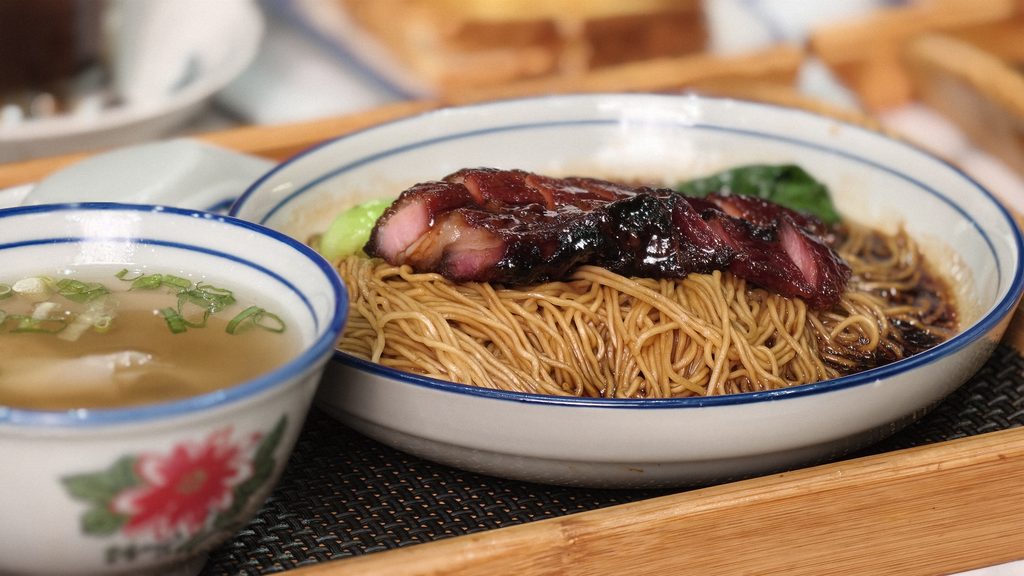
In 2025 alone, Good Taste Restaurant recorded 1,722,575 plates of its handmade dry wanton noodles in dark sauce sold across its 30 outlets.
The sales milestone is particularly significant because the brand’s growth is built around a traditional product whose identity depends on consistency in preparation, flavour and customer experience.
By June 2026, Good Taste Restaurant had established 30 outlets across Malaysia and Indonesia, taking the family recipe beyond its original market and introducing it to customers across two ASEAN countries.
Such expansion demonstrates how familiar Southeast Asian food traditions can become the foundation for regional business growth when heritage is supported by scalable operations.
Preserving the Identity of Handmade Wanton Noodles
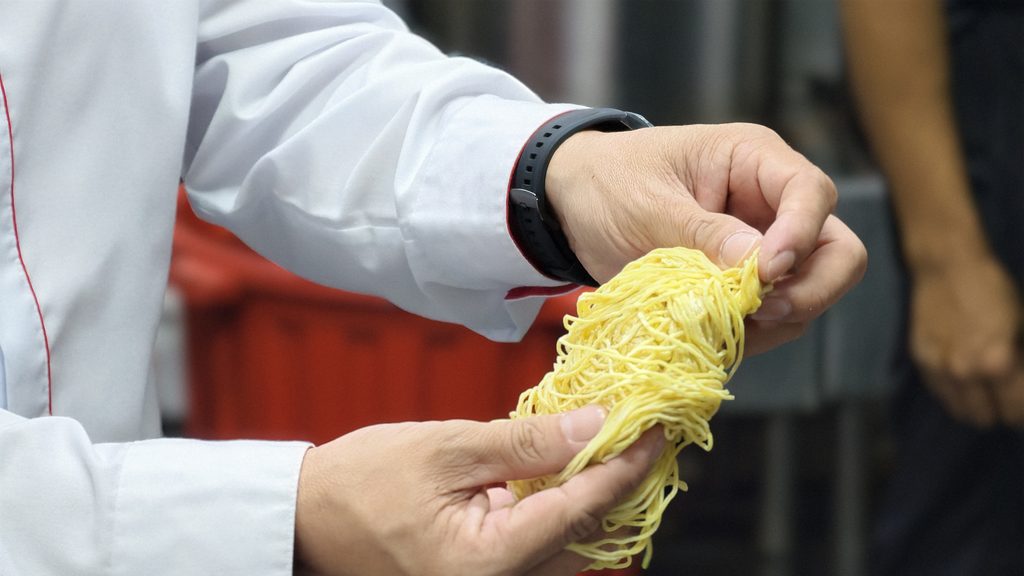
At the centre of Good Taste Restaurant’s growth remains its handmade dry wanton noodle served in dark sauce.
Rather than treating its heritage simply as part of the brand’s history, the restaurant continues to position the original family recipe as a defining element of its present-day identity.
This continuity is especially meaningful within Southeast Asia’s rapidly evolving food and beverage landscape, where restaurant groups increasingly face pressure to modernise, standardise and scale.
Good Taste Restaurant’s development demonstrates that growth and tradition do not necessarily have to compete. With the right operational structure, a recipe originating from an earlier generation can continue to anchor a contemporary restaurant business.
Central Kitchen Supports Consistency as the Brand Expands
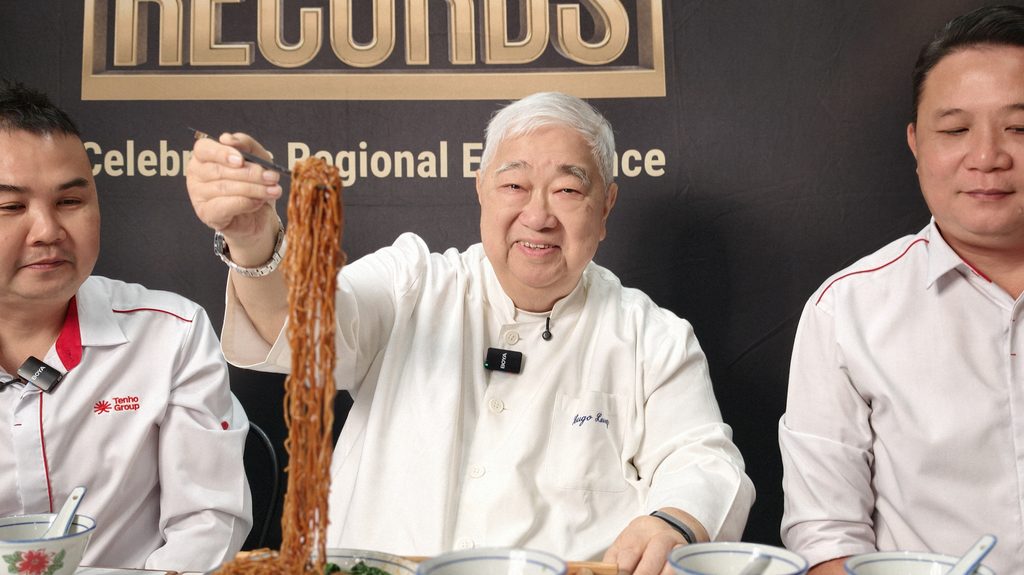
Behind the restaurant group’s regional expansion is an operational structure designed to support consistency across multiple locations.
The family leadership includes William Lee, Head of Central Kitchen, reflecting the role of centralised food preparation and quality management in supporting a growing outlet network.
For heritage food businesses, this becomes particularly important as expansion introduces greater complexity.
Customers visiting different outlets expect the same recognisable flavours associated with the original business. Maintaining those expectations requires careful control over preparation, ingredients and operating procedures while preserving the characteristics that made the food distinctive in the first place.
Good Taste Restaurant’s ability to serve more than 1.7 million plates across 30 outlets demonstrates the scale at which that balance is now being maintained.
Family Leadership Carries the Business Into a New Generation
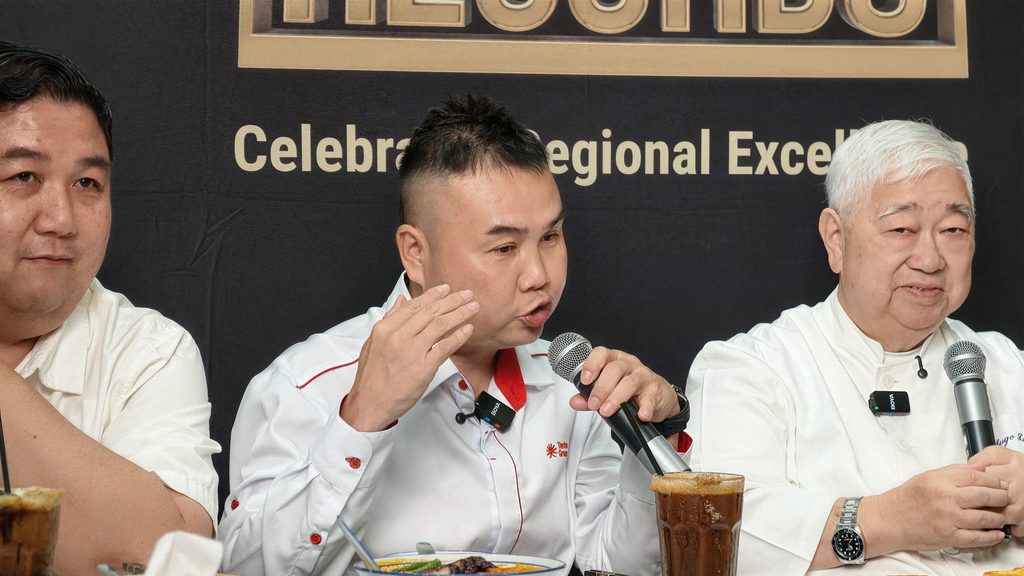
The development of Good Taste Restaurant also represents a broader story of family-business succession.
Many traditional food businesses begin around the knowledge and skills of a founder. Their long-term survival depends on whether that knowledge can successfully be transferred to subsequent generations without losing the qualities that established the business.
For Good Taste Restaurant, the passing of the family recipe to the founder’s three sons in 2013 provided the foundation for the brand’s next phase of development.
The new generation has since expanded the business beyond its original format and into another ASEAN market, while continuing to position the family’s wanton noodle recipe at the centre of the brand.
This combination of succession and expansion demonstrates how culinary knowledge can evolve from a family tradition into a lasting commercial legacy.
Traditional Kopitiam Culture Finds New Regional Opportunities
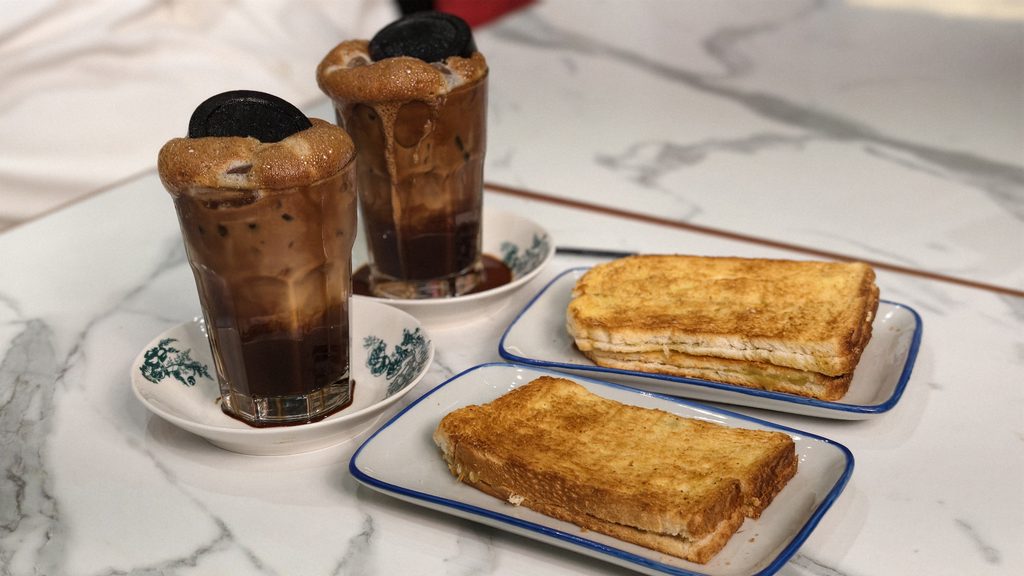
Good Taste Restaurant’s expansion also highlights the wider commercial potential of kopitiam culture and Southeast Asian heritage cuisine.
Traditional noodle dishes are deeply connected to everyday dining culture across Malaysia and neighbouring markets. As regional travel, urbanisation and consumer interest in authentic food experiences continue to develop, established heritage concepts have opportunities to reach new audiences.
For food businesses, regional expansion does not necessarily require replacing traditional identity with a completely modern concept. Heritage itself can become a differentiating strength when it is presented authentically and supported by reliable operations.
Good Taste Restaurant’s presence in Malaysia and Indonesia demonstrates how a familiar culinary tradition can cross national borders while retaining the family story behind it.
ASEAN Records Certificate Presented in Kuala Lumpur
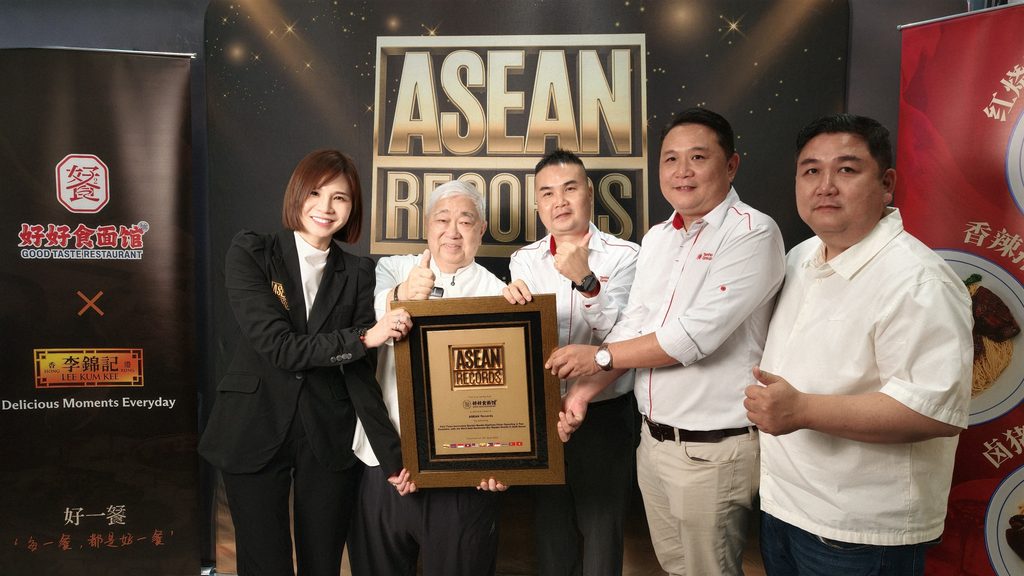
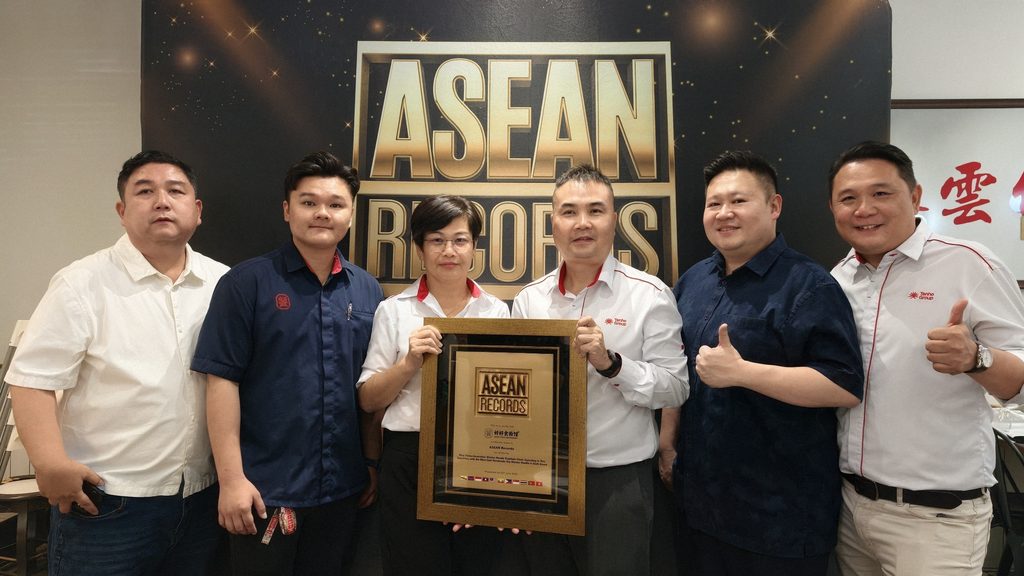
The ASEAN Records certificate was officially presented on 30 June 2026 at Restoran Good Taste, Jalil Link, formally recognising the restaurant group’s regional achievement.
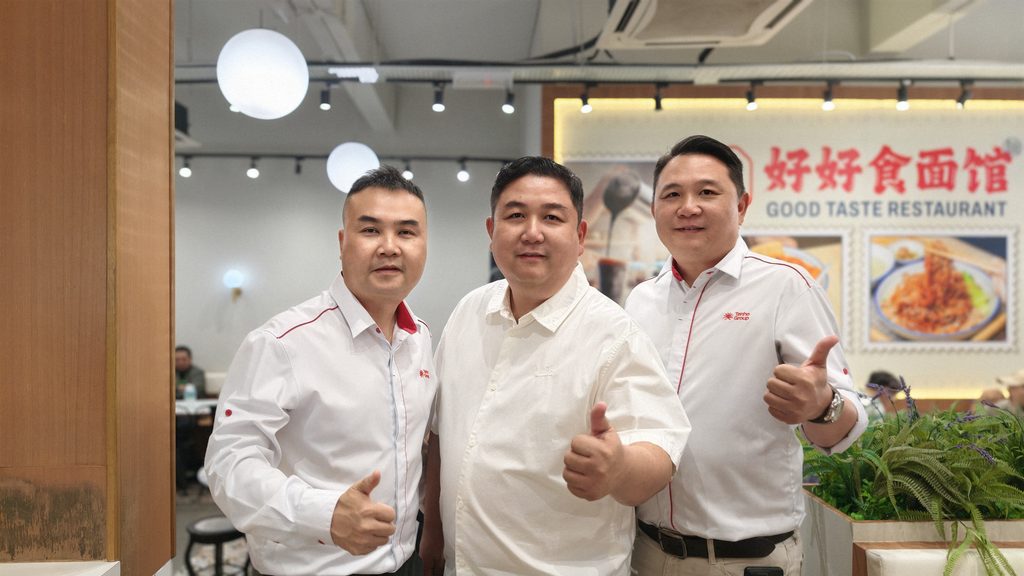
The recognition was received by Wilson Lee, Chief Executive Officer; William Lee, Head of Central Kitchen; and Willoon Lee, Chief Operating Officer of Good Taste Restaurant.
The presentation was also witnessed by Chef Hugo Leung Man To (梁文韬), marking an important milestone for the family leadership responsible for carrying the business into its latest phase of growth.
Reflecting on the recognition, Wilson Lee described the milestone as a tribute to the family’s journey from a street stall to a kopitiam chain operating across two countries. He also emphasised the family’s continuing responsibility to preserve the taste, quality and heritage of the recipe as the business develops.
Preserving Heritage While Building for the Future
Good Taste Restaurant’s journey illustrates how traditional culinary businesses can remain relevant across generations when heritage is treated as a foundation for growth rather than something left behind.
From a street vendor established in 1970 to 30 outlets across Malaysia and Indonesia, the restaurant group’s evolution spans more than five decades of family entrepreneurship.
Its ASEAN Records achievement is therefore measured not only through the 1,722,575 plates sold in 2025, but also through the continuity of a recipe that has remained part of the family’s business across three generations.
As Good Taste Restaurant continues developing its regional presence, maintaining this balance between expansion and authenticity will remain central to its identity.
The achievement demonstrates the wider potential for Southeast Asia’s family-run food businesses to preserve traditional recipes, professionalise their operations and introduce their culinary heritage to audiences beyond their original communities — ensuring that flavours passed from one generation to another can continue to thrive in the modern ASEAN marketplace.
Learn more about this: Official ASEAN Records Recognition